

Key Highlights
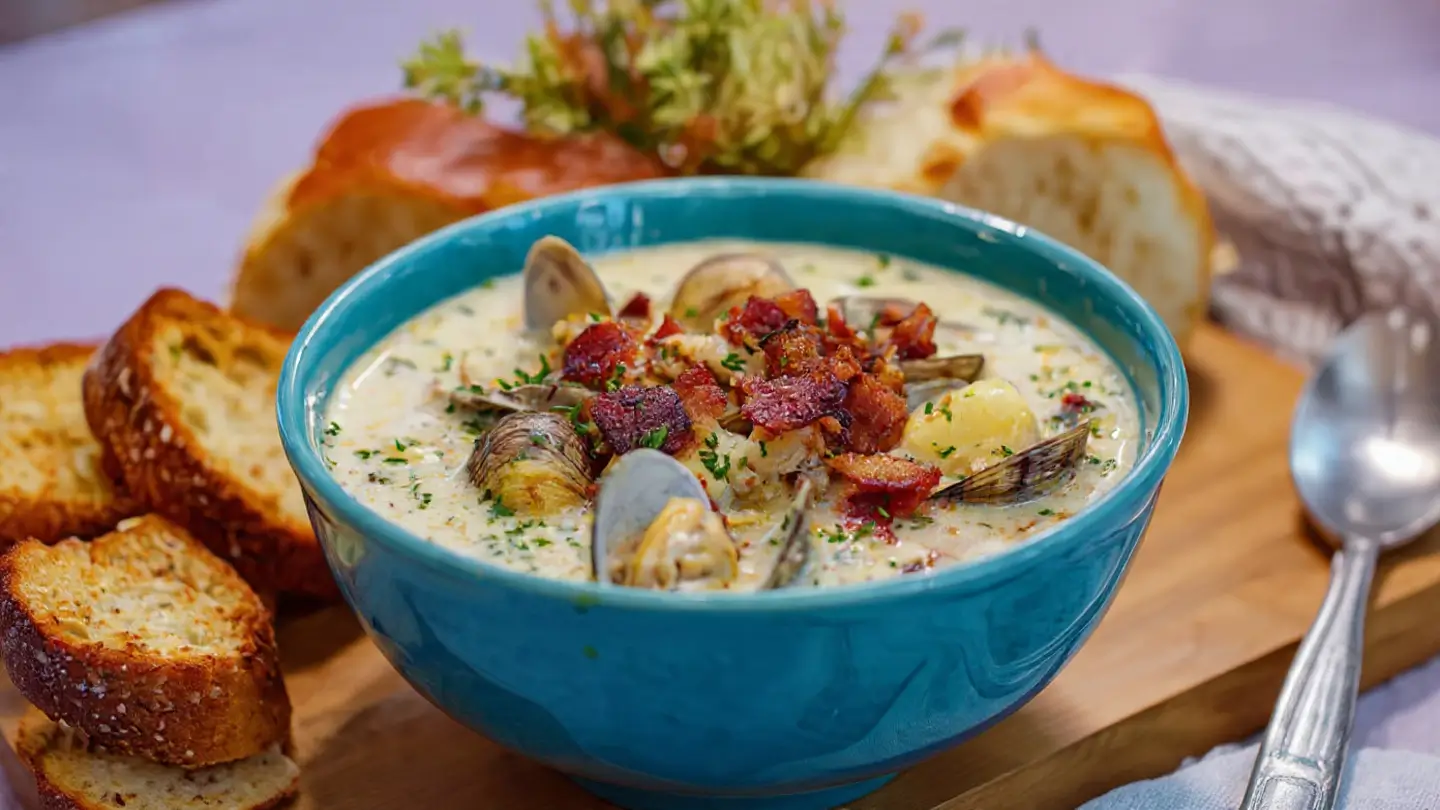
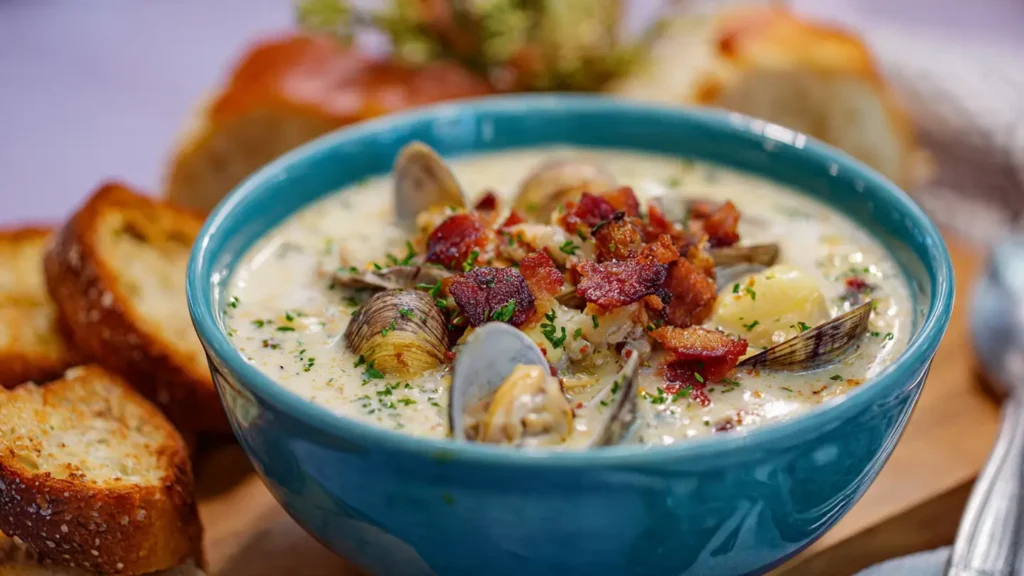
- This blog offers the best clam chowder recipe, focusing on a classic New England clam chowder style.
- Learn the key differences between New England and Manhattan clam chowder.
- Discover whether to use fresh clams or canned clams for the best results.
- Follow a step-by-step guide to achieve a rich and creamy broth.
- Get expert tips for creating the perfect texture and flavor in your soup.
- Serve your finished clam chowder with classic oyster crackers for an authentic touch.
Introduction
Welcome to a seafood lover’s dream: a guide to making the perfect clam chowder. This hearty soup is a beloved classic, especially the creamy New England clam chowder variety. Whether you’re a seasoned chef or new to the kitchen, this post will walk you through everything you need to know. From selecting ingredients to the final simmer, you will find all the details in the recipe card below. Get ready to create a comforting bowl of chowder that rivals what you might find at a famous seafood restaurant.
Why Seafood Lovers Adore Clam Chowder

Clam chowder is a favorite among seafood enthusiasts for its rich, satisfying flavors. The combination of tender clams, hearty potatoes, and a savory, creamy broth creates a truly comforting meal. The best clam chowder balances the briny taste of the sea with a smooth, velvety texture that warms you from the inside out.
For many, the appeal lies in the generous amount of clams in every spoonful. Using fresh clams or high-quality canned ones ensures the soup is packed with flavor. This classic New England clam chowder recipe delivers that perfect balance, making it a go-to dish for a cozy day.
The Unique Appeal of Classic New England Clam Chowder
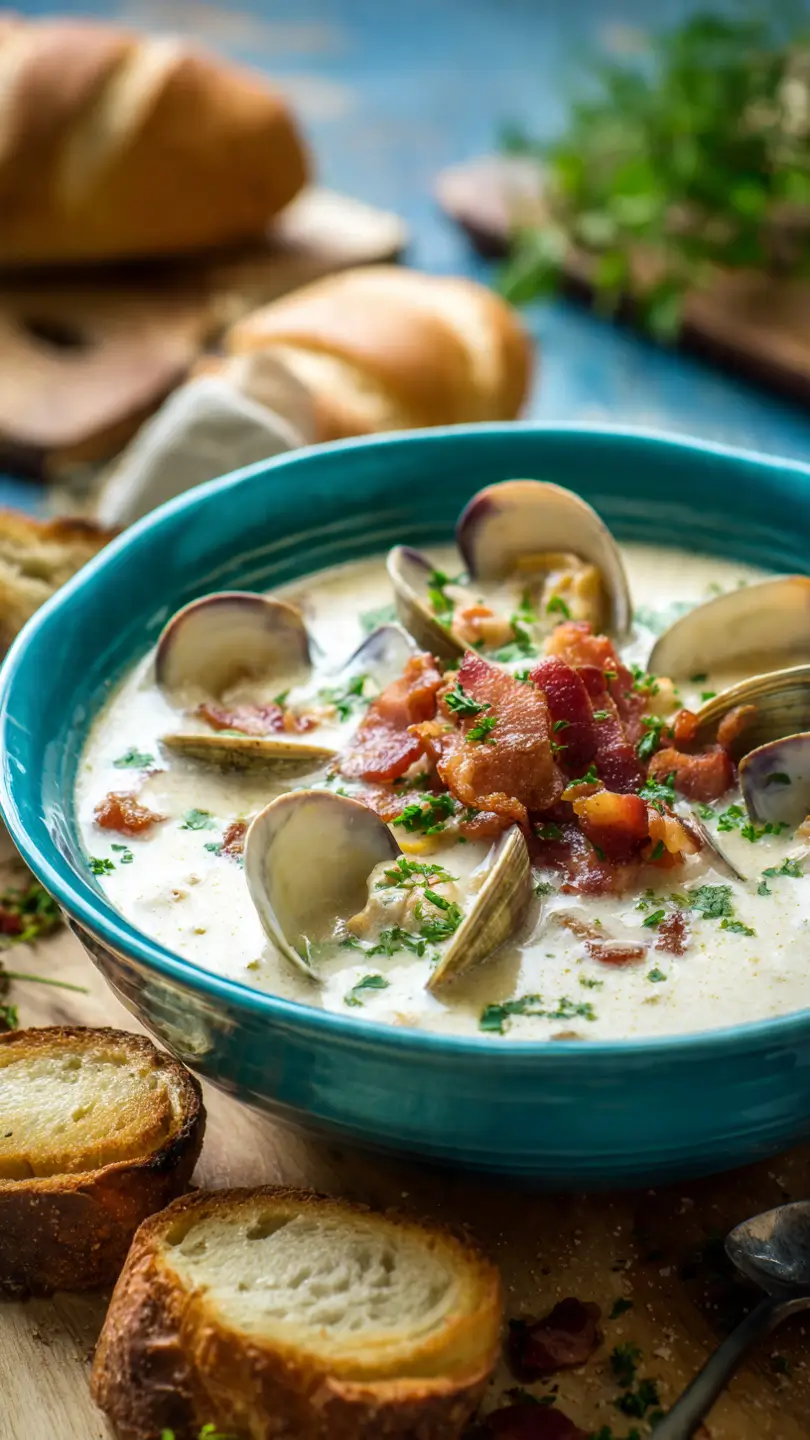
The classic New England clam chowder stands out for its signature creamy texture and rich flavor. Originating from the New England region, this version is milk or cream-based, which gives it a distinct white and hearty appearance. It’s a comforting soup that feels both luxurious and down-to-earth.
What makes this creamy New England clam chowder so special is the harmony of its simple ingredients. The tender clams, soft potatoes, and savory onions are all brought together in a velvety, smooth broth. The use of cream or milk creates a satisfying richness that coats your palate with every bite.
Traditionally, this chowder is served with oyster crackers, which add a delightful crunch and help soak up the delicious creamy broth. This combination of textures and flavors makes it a timeless classic that many people crave, especially on a chilly day. You’ll find it’s easier to make at home than you might think. Clam chowder can also be made ahead of time and reheated gently on the stove, making it a convenient choice for meal prep or entertaining. The flavors often deepen after resting, so it may taste even better the next day.
Key Differences: New England vs. Manhattan Clam Chowder
When it comes to clam chowder, the two most famous styles are New England and Manhattan. The primary difference between New England clam chowder and Manhattan clam chowder lies in the base of the soup. New England style is famous for its creamy broth, which is made with milk or cream.
In contrast, Manhattan clam chowder features a red, tomato-based broth. This gives it a thinner consistency and a tangier flavor profile. It’s often considered a lighter, chunky soup compared to its creamy counterpart and usually contains a similar mix of clams, potatoes, and vegetables but has a distinctly clear broth.
Understanding these differences can help you decide which style you prefer. Here’s a simple breakdown to highlight the main distinctions.
| Feature | New England Clam Chowder | Manhattan Clam Chowder |
|---|---|---|
| Broth Base | Cream or milk-based | Tomato-based |
| Color | White and creamy | Red and clear |
| Texture | Thick and rich | Thinner and brothy |
| Flavor Profile | Savory and mild | Tangy and zesty |
Essential Ingredients for Traditional Clam Chowder
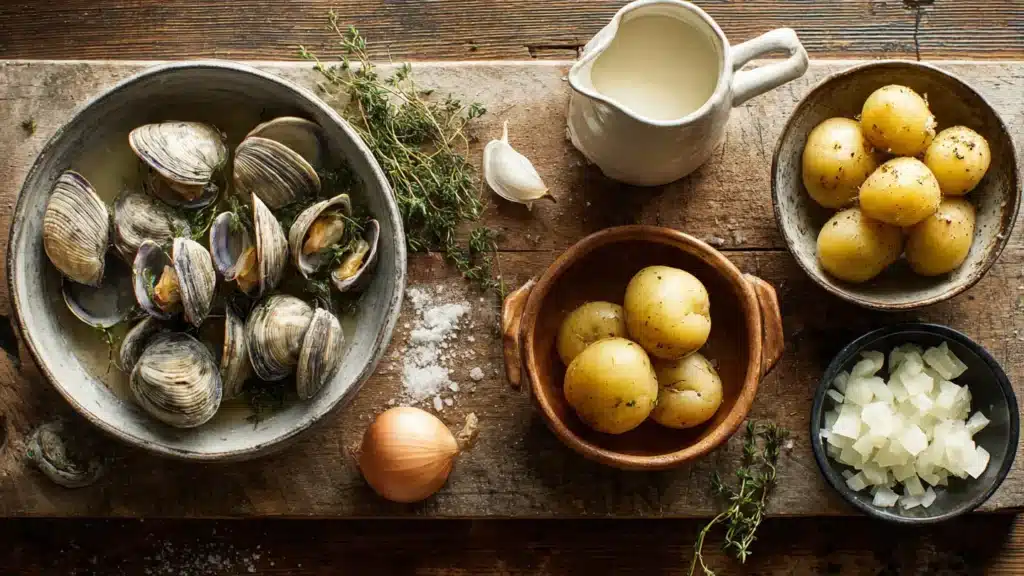
To create a delicious and traditional clam chowder, gathering the right ingredients is the first step. You’ll need a combination of vegetables like carrots, celery, and onions as the base. For the heart of the chowder, you can choose between fresh clams and canned clams. Both can yield excellent results.
Potatoes are also a key component, with waxy types like Yukon Gold potatoes or starchy Russet potatoes being great options as they help thicken the soup. While some traditional recipes call for salt pork, bacon is an accessible substitute that adds a wonderful smoky flavor.
Choosing Between Fresh and Canned Clams
Deciding between fresh and canned clams is a common question when making chowder. Fresh clams, such as littleneck clams or quahog clams, offer a more authentic, briny flavor and a unique texture. If you choose to use fresh clams, you’ll need to clean them thoroughly and steam them until they open. The reserved clam juice from steaming can then be used to enrich the chowder’s broth.
On the other hand, canned clams offer incredible convenience without sacrificing much flavor. They are pre-cooked and chopped, saving you significant prep time. When using canned clams, it’s important to reserve the clam juice from the can, as it adds essential depth to the soup. This recipe uses three 6.5 oz cans of chopped clams.
Here’s a quick comparison to help you choose:
- Fresh Clams: Provide a more authentic, robust flavor and satisfying texture. They require more preparation, including cleaning and steaming.
- Canned Clams: Offer great convenience, are cost-effective, and still deliver a delicious clam flavor. They are ready to use right out of the can.
Ultimately, the choice depends on your preference for flavor, convenience, and the time you have available.
Creamy Additions: Milk, Cream, and Potatoes
Achieving the perfect creamy consistency in your New England clam chowder involves the right combination of dairy and potatoes. This recipe uses both milk and heavy whipping cream to create a broth that is rich but not overly heavy. The heavy cream adds a luxurious, velvety feel, while the milk helps to balance the richness.
The type of potato you use also plays a crucial role. Waxy potatoes like Yukon Gold potatoes hold their shape well when cooked, providing a pleasant, silky bite. Alternatively, starchier potatoes like Russet potatoes break down slightly during cooking, which naturally helps to thicken the soup and contributes to its creamy texture.
By carefully combining these ingredients, you can make a creamy New England clam chowder at home that is perfectly balanced. The milk, heavy cream, and potatoes work together to create that classic, comforting consistency that makes this soup so beloved.
Step-by-Step Guide to Making Homemade Clam Chowder
Making homemade clam chowder is simpler than you might think. This easy clam chowder recipe breaks down the process into manageable steps that anyone can follow. You will start by cooking the bacon and then sautéing the vegetables in a large pot or Dutch oven to build a flavorful base.
From there, you will create the broth, add the potatoes, and let it all simmer until tender. The final steps involve adding the clams and cream to finish the soup. Following the detailed instructions on the recipe card will ensure you create a delicious bowl of clam chowder every time.
Prepping the Clams and Vegetables
Proper preparation is key to a flavorful clam chowder. Start by finely dicing your vegetables: carrots, celery, and onion. This trio, known as a mirepoix, creates the aromatic foundation of your soup. Once you’ve cooked your chopped bacon, you’ll sauté these vegetables in the rendered bacon fat until they are soft and golden.
If you are using canned clams, drain them but be sure to reserve the clam juice. The juice is packed with flavor and will be added to the broth later. The clams themselves are added near the end of the cooking process to ensure they remain tender and don’t become tough or rubbery.
Cooking clam chowder from scratch takes about one hour, with 15 minutes of prep time and 45 minutes of cooking. Having all your ingredients, like fresh parsley for garnish, prepped and ready will make the cooking process smooth and enjoyable, leading to delicious, tender clams in every bite.
Cooking and Simmering for Flavor
Once your vegetables are sautéed, it’s time to build the broth and let the flavors meld together. In your Dutch oven, you’ll add flour to the vegetables to create a roux, which will thicken the soup. Then, slowly whisk in chicken broth and the reserved clam juice. Add seasonings like a bay leaf, thyme, Worcestershire sauce, and black pepper. Bring this mixture to a light boil over medium heat.
Next, add the chopped potatoes, milk, and cream. Return the soup to a boil, then reduce the heat, cover the pot, and let it simmer. This slow simmering process is crucial, as it allows the potatoes to become tender while absorbing the flavors of the broth. You’ll want to simmer for about 20 minutes, or until the potatoes are easily pierced with a fork.
Avoid using high heat during this stage, as it can cause the milk and cream to curdle. Once the potatoes are tender, you will add the clams and bring the soup back to a light boil before removing it from the heat. Garnish with chopped fresh parsley before serving.
Expert Tips for the Best Clam Chowder
Creating the best clam chowder recipe is all about paying attention to the details. From achieving the perfect creamy texture to ensuring you have tender clams, a few key techniques can elevate your soup from good to great. Using bacon instead of traditional salty pork provides an accessible smoky flavor that enhances the entire dish.
One of the most important tips is to add the clams at the very end of the cooking process. Overcooking them will result in a tough, rubbery texture. By following these expert suggestions, you can perfect your homemade chowder.
Secrets for Creaminess and Texture
The secret to a perfectly creamy broth lies in building a good base and using the right ingredients. The process starts with a roux, a mixture of fat and all-purpose flour. Sautéing the flour in the bacon drippings for a minute cooks out the raw taste and creates a foundation for a thick, velvety soup.
The combination of dairy also makes a significant difference. This recipe uses both milk and cream to achieve a creamy texture that is rich but not overpowering. The milk provides a smooth base, while the cream adds a luxurious finish. Additionally, using tender potatoes that break down slightly as they cook will naturally contribute to the chowder’s thickness.
For a consistently creamy and flavorful chowder, keep these points in mind:
- Create a roux with fat and all-purpose flour to thicken the soup.
- Use a combination of milk and cream for a balanced, rich flavor.
- Let the potatoes simmer until they are very tender to help thicken the broth naturally.
How to Thicken Clam Chowder When Needed
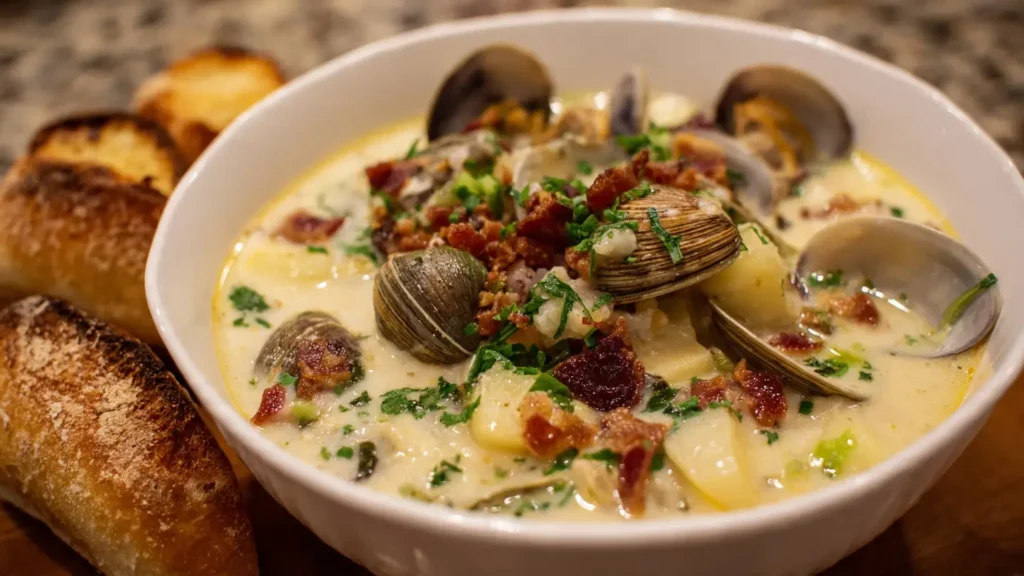
If you find your clam chowder is thinner than you’d like, there are simple ways to achieve a thicker chowder. The soup will naturally thicken as it cools, so it’s a good idea to wait a few minutes before making adjustments. However, if it’s still too thin, you can easily correct the consistency.
One effective method is to use a slurry. For a gluten-free option, mix 2 tablespoons of cornstarch with 1/4 cup of cold broth or water in a separate bowl until smooth. Then, stir the slurry into the chowder near the end of cooking. Continue to simmer for a few more minutes, and you will notice the soup thicken. You can also use all-purpose flour to create a similar slurry.
This technique allows you to control the thickness without creating lumps, ensuring a smooth and creamy texture. Adding the thickening agent at the end of cooking helps you fine-tune the chowder until it reaches your desired consistency.
Conclusion
In conclusion, clam chowder is more than just a dish; it’s a beloved culinary tradition that brings seafood lovers together. With its rich, creamy texture and the perfect blend of flavors from clams, potatoes, and seasonings, mastering this recipe can elevate your cooking repertoire. Whether you prefer the traditional New England style or the tomato-based Manhattan version, the tips shared in this guide will help ensure that your chowder is both delicious and satisfying. So gather your ingredients, follow the steps, and enjoy a comforting bowl of homemade clam chowder that’s sure to impress family and friends. For those who want to explore more culinary delights, don’t hesitate to reach out for a free consultation on enhancing your cooking skills!
Equipment
- Large Dutch oven or heavy soup pot
- Wooden spoon
- Knife and cutting board
- – Measuring cups and spoons
- Ladle
Ingredients
- Base & Aromatics
- 6 slices thick‑cut bacon diced
- 1 medium yellow onion finely diced
- 2 medium carrots diced
- 2 celery stalks diced
- 3 cloves garlic minced
- Thickening & Broth
- ¼ cup 30 g all‑purpose flour
- 2 cups 480 ml low‑sodium chicken broth or clam juice reserve
- Reserved clam juice from 3 cans about 1–1½ cups
- 1 –1½ cups 240–360 ml whole milk
- 1 cup 240 ml heavy cream
- 2 –3 medium Yukon Gold or Russet potatoes peeled and diced
- 2 bay leaves
- 1 tsp dried thyme or 1 sprig fresh thyme
- Salt and freshly ground black pepper to taste
- Pinch of cayenne or Worcestershire optional, for depth
- Clams & Finish
- 3 6.5 oz cans chopped clams, drained (reserve juice above)
- ¼ –½ cup chopped fresh parsley
- For Serving
- Oyster crackers
- Crusty bread or bread bowl optional
Instructions
- Cook the Bacon and Aromatics
- In a large Dutch oven or heavy pot, cook diced bacon over medium heat until crispy.
- Remove bacon with a slotted spoon, leaving 2–3 tbsp bacon fat in the pot.
- Add onion, carrots, and celery; sauté 5–7 minutes until softened.
- Stir in garlic and cook 1 minute more.
- Make the Roux and Broth Base
- Sprinkle flour over the vegetables; stir 1–2 minutes until lightly toasted (no raw flour smell).
- Gradually whisk in chicken broth and reserved clam juice until smooth and lump‑free.
- Add milk, cream, diced potatoes, bay leaf, thyme, salt, and pepper.
- Bring to a light boil, then reduce to a gentle simmer.
- Simmer the Chowder
- Cover and simmer 15–20 minutes, stirring occasionally, until potatoes are tender and the broth thickens slightly.
- Do not boil hard after adding dairy to avoid curdling.
- Add Clams and Finish
- Stir in drained clams and cooked bacon; simmer 3–5 minutes just to heat through (do not overcook to keep clams tender).
- Taste and adjust seasoning; add a small splash of extra clam juice if desired for salinity.
- Remove bay leaf and thyme sprig. Stir in fresh parsley.
- Serve
- Ladle into bowls and serve with oyster crackers and a crusty bread or bread bowl if desired.
Notes

Frequently Asked Questions
The most common mistakes include overcooking the clams, which makes them rubbery, and boiling the soup on high heat after adding dairy, which can cause the creamy broth to curdle. Another error is not seasoning enough. Store leftovers in an airtight container and serve with a salad or in a bread bowl.
My favorite clam chowder recipe combines tender clams, creamy potatoes, and smoky bacon for a rich flavor. Start by sautéing onions and garlic, then add diced potatoes and broth. Incorporate fresh clams, heavy cream, and seasonings. Simmer until thickened—perfect for seafood lovers craving comfort in a bowl!