
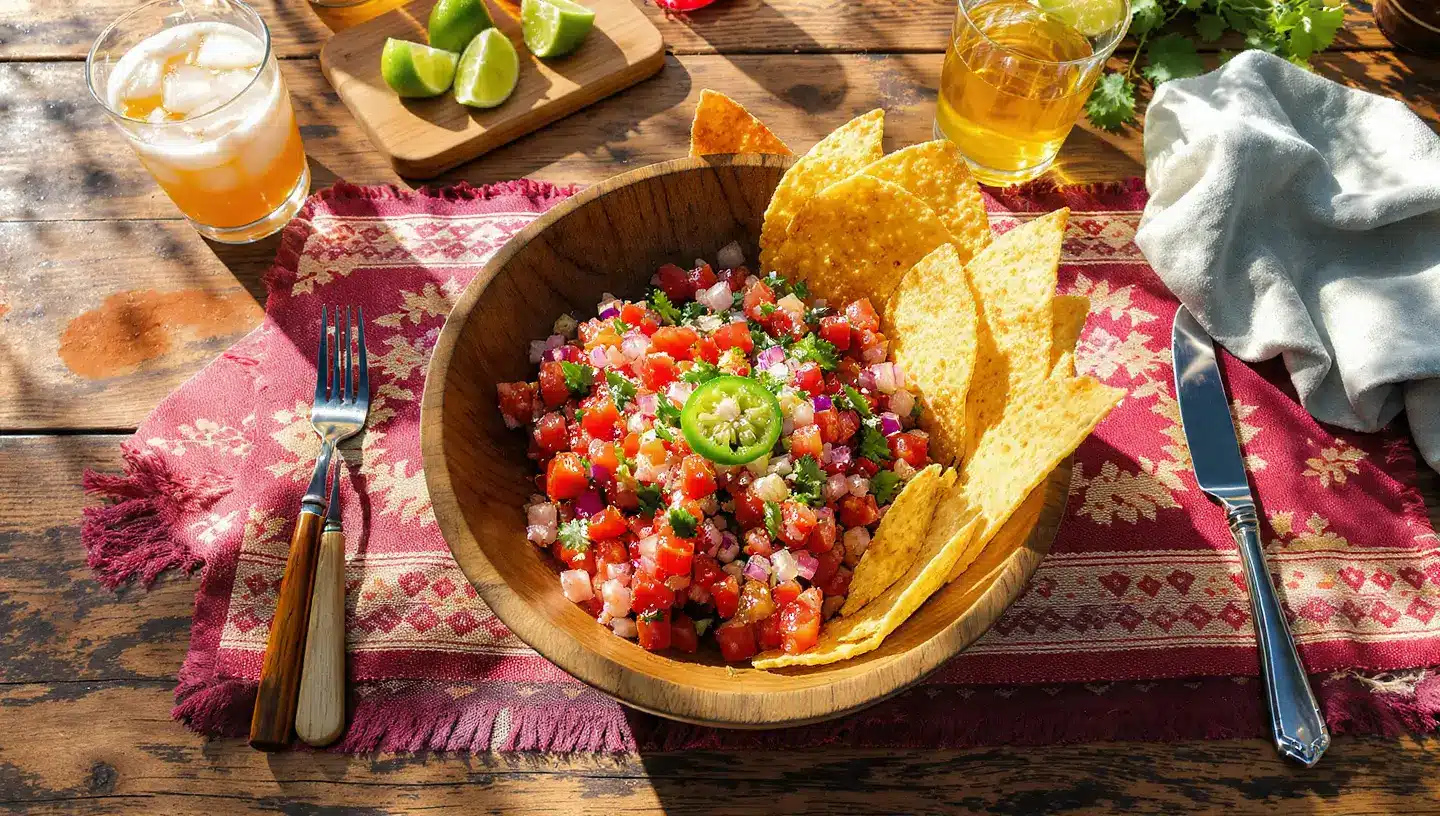

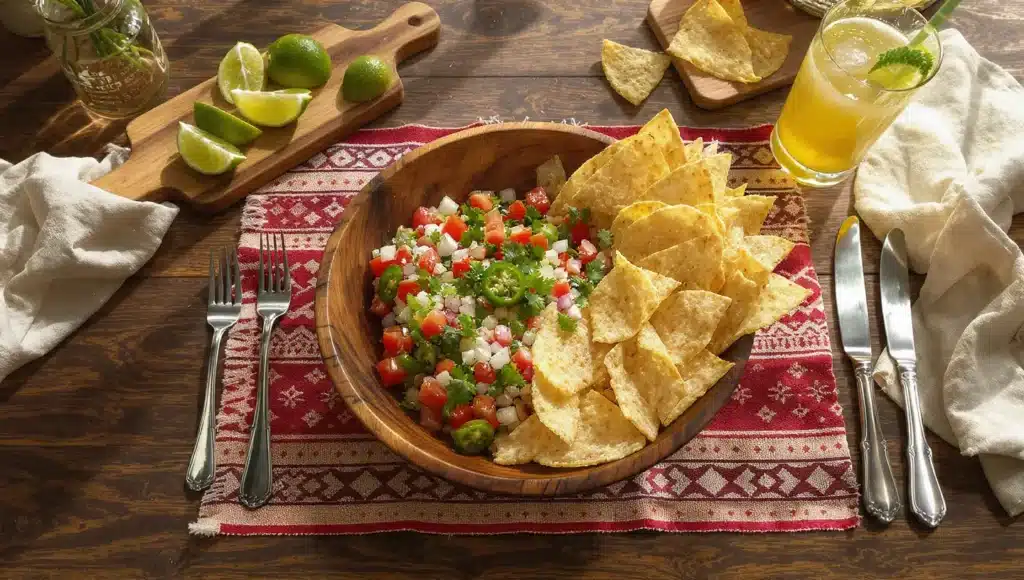
Key Highlights
- This blog provides a simple pico de gallo recipe for making authentic pico de gallo at home.
- The key to the best flavor is using fresh ingredients like ripe tomatoes, onions, cilantro, and lime juice.
- Discover the difference between pico de gallo, also known as salsa fresca, and other types of salsa.
- Learn what to include and what to avoid to achieve a traditional Mexican flavor in your homemade pico de gallo.
- Follow our step-by-step guide to chop, mix, and serve this classic dish.
- Get tips on choosing the right produce and storing your fresh salsa for the best results.
Introduction
Welcome to your guide to creating the perfect pico de gallo, also known as salsa fresca. This staple of Mexican food is celebrated for its vibrant and refreshing taste. Unlike cooked salsas, this version uses raw, fresh ingredients, highlighting the natural flavors of fresh tomatoes, onions, and cilantro. If you’re looking for authentic Mexican recipes you can easily make at home, such as ground beef tacos, you’ve come to the right place. This recipe is simple, quick, and guaranteed to impress at any gathering.
Understanding Authentic Pico de Gallo
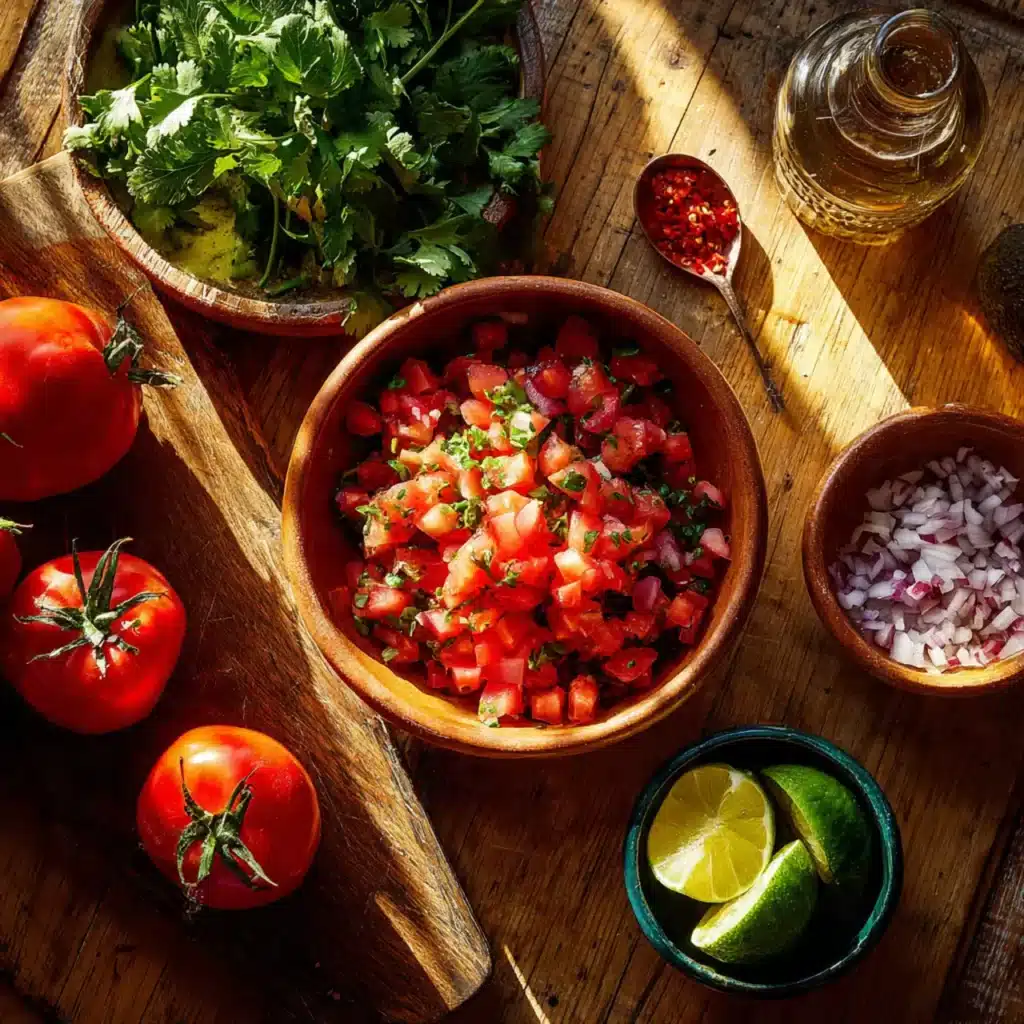
Authentic pico de gallo is a type of fresh salsa, often called salsa cruda, which means “raw salsa” or a type of salsa made with fresh ingredients. The main difference between it and other salsas is its texture and preparation. Pico de gallo ingredients are finely chopped but never blended, resulting in a chunky, salad-like consistency rather than a smooth, liquid sauce. This preparation method preserves the crispness and individual flavors of each component.
This uncooked Mexican dish is defined by its simplicity and the use of fresh, raw vegetables. While many salsa recipes involve cooking or roasting the ingredients to deepen their flavors, this fresh salsa relies entirely on the quality of its raw components. This distinction is what gives pico de gallo its signature bright and zesty taste. Now, let’s explore its origins and why choosing the right ingredients is so important for dishes like baja fish tacos.
The Origin and Significance in Mexican Cuisine
The name pico de gallo literally translates to “rooster’s beak.” While this traditional salsa has nothing to do with chickens, several theories attempt to explain its unusual name. One popular idea is that the finely chopped ingredients resemble bird feed. Another suggests that the pinching motion made with the thumb and forefinger to eat it resembles the shape of a rooster’s beak. The true origin remains a mystery, but its place in Mexican cuisine is undeniable.
In Mexico, what many know as pico de gallo is often called “salsa fresca” or “salsa cruda.” Interestingly, the term “pico de gallo” in some regions of Mexico can refer to a fruit salad topped with lime juice and chili powder. This highlights the regional diversity within Mexican culinary traditions.
Regardless of its name, this salsa is a fundamental part of the food culture. It serves as a versatile condiment that adds a burst of freshness to countless dishes, from tacos to grilled meats, including chicken fajitas. Making authentic pico de gallo is a way to connect with the vibrant and straightforward flavors that define much of Mexican cuisine.
Essential Ingredients for Real Pico de Gallo
To create real pico de gallo, the focus must be on fresh, high-quality ingredients. The classic recipe calls for a simple combination of ripe tomatoes, white onion, serrano peppers, fresh cilantro, and a generous amount of fresh lime juice. A pinch of kosher salt is all you need to bring these flavors together, and this post may contain affiliate links to help you find these ingredients.
Each ingredient plays a crucial role. The tomatoes provide a juicy base, the onion adds a pungent crunch, the serrano peppers offer a clean heat, and the cilantro brings a bright, herbaceous note. Fresh lime juice is essential for its tangy acidity, which marries all the flavors. We’ll now discuss how to select the best produce and what to avoid for the most authentic taste.
Choosing the Right Tomatoes and Fresh Produce
The quality of your fresh tomatoes will make or break your pico de gallo and fresh tomato salsa. For the best flavor, always choose the ripest, most fragrant tomatoes available. Roma tomatoes, also known as plum tomatoes, are a popular choice because they have a firm texture and fewer seeds, which helps prevent the salsa from becoming too watery.
While Roma tomatoes are traditional, you can certainly experiment with other types. Heirloom tomatoes can add a unique sweetness and color, but be mindful of their higher water content. Cherry tomatoes can also work, but they require more chopping.
When selecting other produce, keep these points in mind:
- Onions: White onion is traditional for its sharp flavor, but you can substitute red onion for a milder, slightly sweeter taste.
- Peppers: Jalapeños or serrano peppers are standard. Serranos typically offer more heat.
- Cilantro: Always use fresh cilantro with vibrant green leaves and firm stems. Avoid any bunches that look limp or have a soapy smell.
What to Include and What to Avoid for Authentic Flavor
For an authentic pico de gallo, simplicity is key. The goal is to let the fresh ingredients shine. Stick to the core components: tomatoes, white onion, a spicy pepper, fresh cilantro, and real lime juice. Do not use bottled lime juice, as its flavor is muted and can taste artificial. A common mistake is adding ingredients like garlic, avocado, or olive oil, which can overpower the delicate balance of the salsa. This pico de gallo is perfect for carne asada tacos.
While some variations add a small amount of tomato sauce for extra depth, a truly authentic pico de gallo highlights the raw, crisp flavors of the vegetables. It’s best to avoid using a food processor, as it can turn the mixture watery and mushy. Hand-chopping is essential for the signature chunky texture, similar to that of mango salsa.
To ensure your pico de gallo tastes fresh and authentic, focus on the balance of these items:
| What to Include | What to Avoid |
|---|---|
| Ripe Roma tomatoes | Overly watery tomato varieties |
| Fresh white onion | Cooked or powdered onion |
| Serrano or jalapeño peppers | Canned or pickled peppers |
| Fresh cilantro leaves and stems | Dried cilantro or parsley |
| Freshly squeezed lime juice | Bottled lime juice |
| Kosher salt | Unnecessary additions like oil or garlic |
Beginner’s Guide: How to Make Pico de Gallo at Home
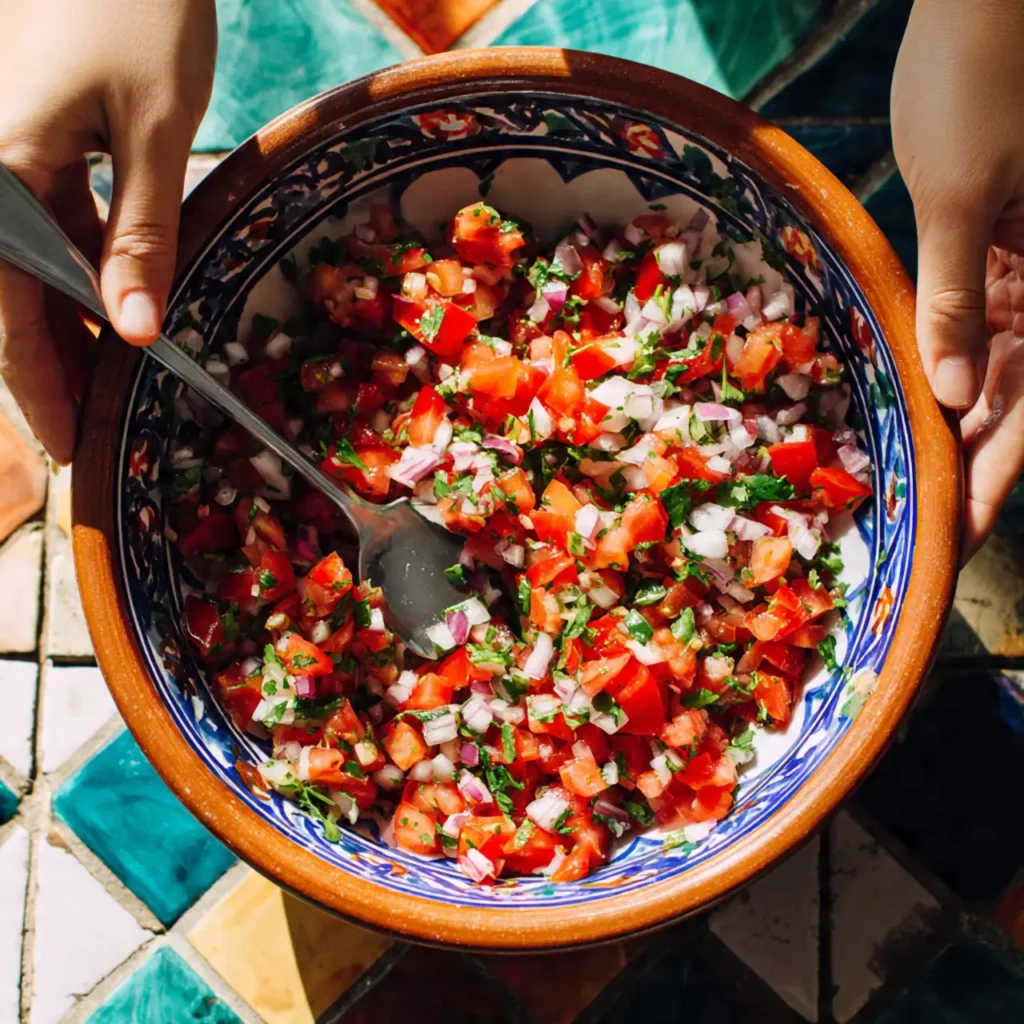
Making homemade pico de gallo is incredibly easy and rewarding. This simple Mexican salsa recipe requires no cooking, just some chopping and mixing. With just a handful of fresh ingredients, you can create a vibrant fresh salsa that tastes far better than any store-bought version. The entire process takes only about 10 minutes from start to finish.
This best pico de gallo recipe is perfect for beginners and can be customized to your preferred spice level. Below, you will find a detailed guide covering the necessary tools and a step-by-step process to help you create the perfect batch every time.
Equipment and Tools You’ll Need
To make pico de gallo, you don’t need any fancy kitchen gadgets. The most important tool is a sharp chef’s knife, which will make dicing the ingredients much easier and safer. A good cutting board is also essential to provide a stable surface for chopping.
You will also need a large bowl for mixing all the chopped ingredients together. This allows you to toss everything thoroughly without making a mess. Once prepared, it’s best to store your salsa in an airtight container in the refrigerator to keep it fresh.
Here is a quick list of the tools you should have ready:
- A sharp knife and a sturdy cutting board
- A large bowl for mixing
- A spoon for stirring and a slotted spoon for serving if you prefer less liquid
Avoid using a food processor. While it might seem faster, it will bruise the vegetables and release too much water, resulting in a soupy texture instead of the classic chunky consistency.
Step-by-Step Process for Authentic Pico de Gallo
Following a clear step-by-step process is the best way to achieve a perfect authentic pico de gallo recipe. The method is straightforward and focuses on combining the fresh ingredients in the right way to maximize their flavor. The key is to ensure all your vegetables are chopped to a uniform size for a consistent texture in every bite.
First, you’ll prepare all your vegetables by washing and dicing them. This initial prep work is the most time-consuming part, but it’s crucial for the final result. Once everything is chopped, the process moves quickly.
The final steps involve mixing the ingredients and allowing the flavors to meld. A good amount of lime juice and salt will bring the salsa fresca to life. With just a few simple actions, you’ll have a delicious condiment ready to serve with your favorite dishes.
Step 1: Prepping the Ingredients
The foundation of great pico de gallo is properly prepped ingredients. Start by washing and dicing your Roma tomatoes. Aim for small, evenly sized chunks to ensure a balanced flavor profile. If you prefer a less juicy salsa, you can remove some of the seeds, but keeping them adds more flavor.
Next, finely chop the white onion. If you find the flavor of white onion too strong, you can substitute it with red onion for a milder taste. Mince the fresh cilantro, including the tender stems, as they are full of flavor. For the heat, finely dice the serrano peppers or jalapeños. To control the spice level, remove the seeds and membranes for a milder salsa.
Here’s a quick prep checklist:
- Dice 4 medium Roma tomatoes into small, even pieces.
- Finely chop about ⅓ of a medium white onion.
- Mince ¼ cup of fresh cilantro.
- Finely dice 1 to 2 serrano peppers, with or without seeds.
Step 2: Mixing and Letting Flavors Combine
Once all your ingredients are prepped, combine them in a large bowl. Add the diced tomatoes, chopped onion, minced cilantro, and diced peppers. Now it’s time to bring the flavors together. Squeeze the fresh lime juice over the mixture and sprinkle with kosher salt. Start with about one teaspoon of salt and the juice of one large lime, then stir everything gently to combine.
For the best results, let the salsa fresca sit for at least 15-30 minutes before serving. This resting period allows the salt to draw out moisture from the tomatoes and lets the flavors meld together beautifully. You can serve it immediately, but a little patience makes a big difference.
If you make it ahead of time for Cinco de Mayo, the flavors will continue to develop. The pico de gallo might taste even better the next day, though the onion will have a milder flavor and the texture will be a bit softer. Taste it before serving and add more salt or lime juice if needed.
Conclusion
In conclusion, creating authentic pico de gallo at home is not only simple but also a rewarding culinary experience. By understanding the essential ingredients and following the step-by-step process outlined, you can capture the true essence of this beloved Mexican salsa. Remember, the key to a delicious pico de gallo lies in the freshness of your ingredients and the balance of flavors. Whether you’re pairing it with tacos or enjoying it with tortilla chips, you’ll appreciate the authenticity of your homemade creation. For those eager to elevate their culinary skills, consider trying this recipe today and enjoy the vibrant taste of authentic pico de gallo!
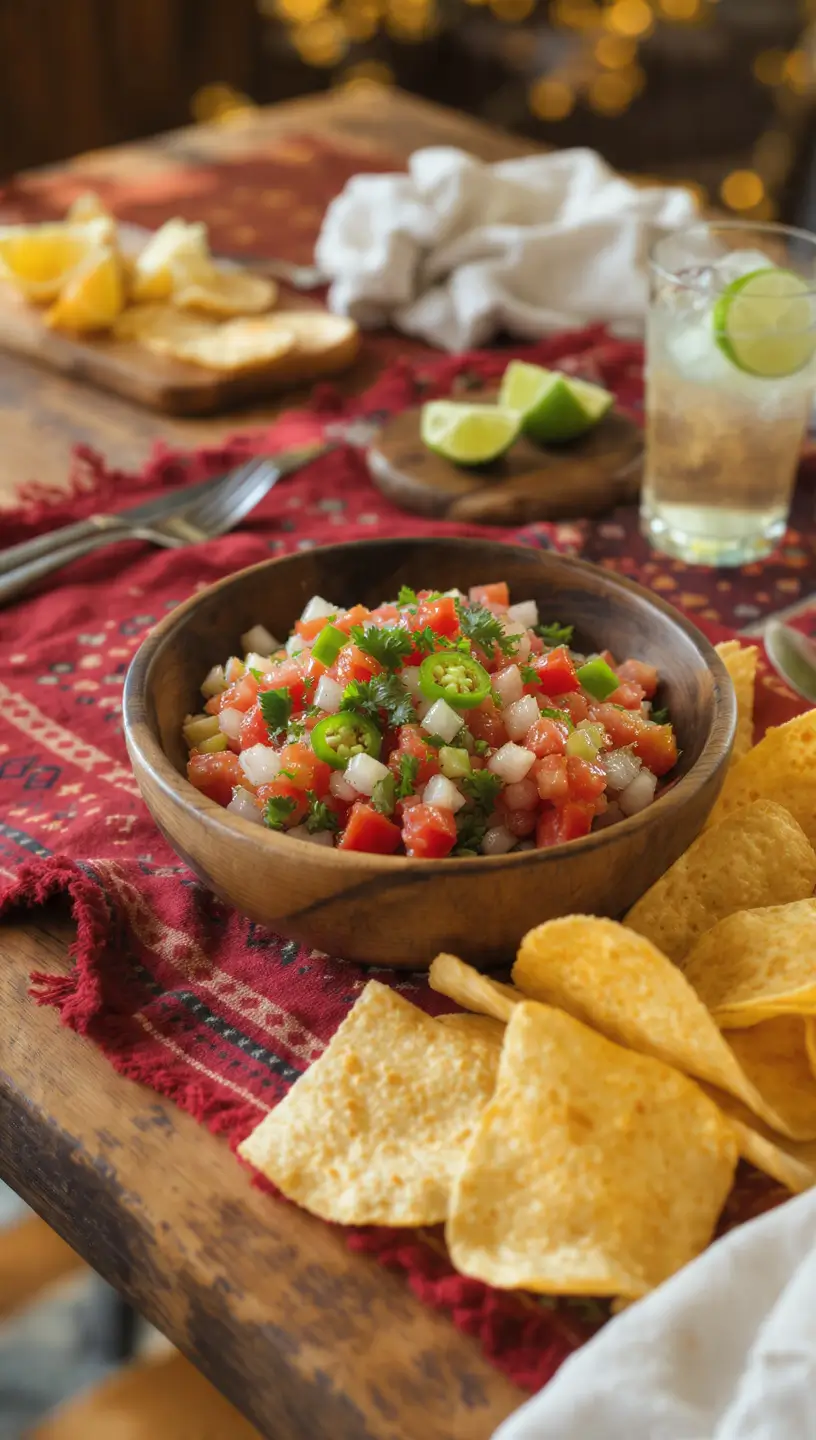
Equipment
- Sharp chef’s knife
- – Cutting board
- Large bowl
- Measuring spoons
Ingredients
- 4 medium Roma plum tomatoes, diced small
- ⅓ –½ medium white onion finely diced (red onion if preferred)
- 1 –2 serrano or jalapeño peppers finely diced (seeds removed for milder heat)
- ¼ cup 15–20 g fresh cilantro leaves and tender stems, minced
- 2 –3 tbsp fresh lime juice about 1 large lime
- ½ –1 tsp kosher salt start with ½ tsp, taste and adjust
- Optional: tiny pinch of sugar to balance acidity
- Do not use garlic, oil, avocado, or bottled lime juice if you want classic pico de gallo.
Instructions
- Prep the Vegetables
- Wash and core Roma tomatoes; dice into small, even pieces.
- Finely dice onion: white for sharper flavor, red for slightly sweeter.
- Finely dice serrano or jalapeño peppers; remove seeds and membranes for milder heat.
- Mince cilantro (including tender stems).
- Combine and Season
- In a large bowl, combine tomatoes, onion, peppers, and cilantro.
- Add fresh lime juice and salt; stir gently to mix.
- Rest and Taste
- Let pico de gallo sit at room temperature 15–30 minutes so flavors meld and salt draws out a bit of moisture.
- Taste and adjust:
- Add more lime juice if you want brighter acidity.
- Add a pinch more salt or a tiny pinch of sugar if tomatoes taste flat.
- Serve
- Serve with tortilla chips, tacos (carne asada, fish, chicken), grilled meats, or rice bowls.
- Use a slotted spoon to serve; reserve extra liquid in the bowl to keep it chunky.
Notes
Fridge: Store in an airtight container up to 3–4 days; flavor may mellow slightly (onion less sharp). Texture: Will soften over time; it’s best within 1–2 days for maximum crispness. Do not freeze: The vegetables will become mushy.
Nutrition

Frequently Asked Questions
The spiciness of authentic pico de gallo can be easily adjusted. The heat level in this Mexican salsa recipe comes from jalapeño or serrano peppers. For a milder salsa, remove the seeds and membranes from the peppers. For a spicier version, leave them in or add more peppers.