


Key Highlights
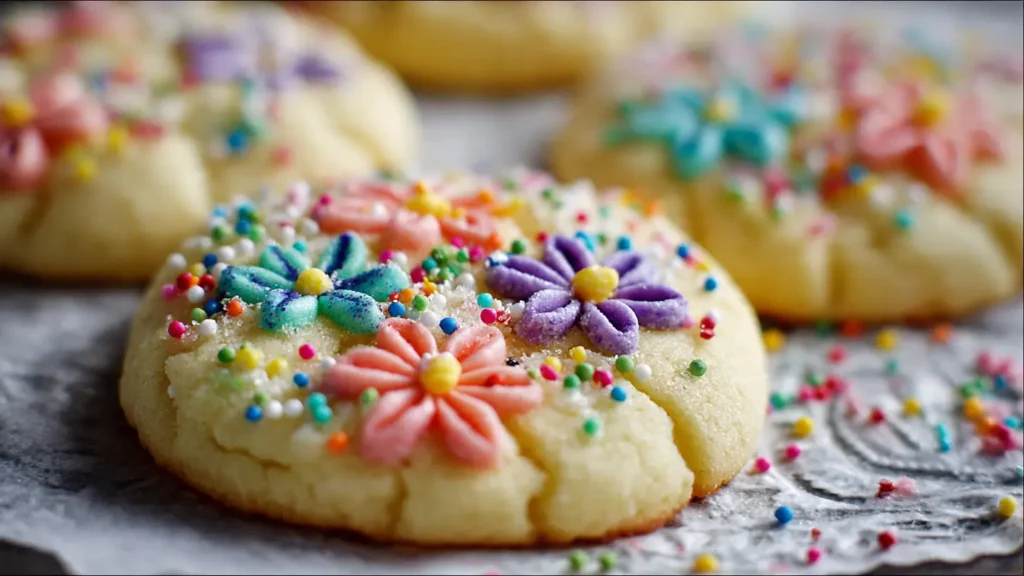
Craving the perfect cookie for spring? This recipe for soft and chewy pressed spring sugar cookies is your answer. You don’t have to worry about hard, crunchy cookies with this simple, no-roll drop cookie recipe. Here are the key highlights to achieving the perfect batch every time.
- This recipe creates soft and buttery sugar cookies with perfectly crisped edges and a gooey middle.
- The cookie dough is simple to make and doesn’t require any refrigeration time.
- You can easily customize the flavor by adding a touch of almond extract or lemon zest.
- Learn the secrets to keeping your sprinkle sugar cookies soft, including using the right ingredients and not overbaking.
- Discover the best types of colorful sprinkles to use and how to prevent them from bleeding.
- Properly store baked cookies in an airtight container to maintain freshness for days.
Essential Ingredients for Soft & Chewy Pressed Spring Sugar Cookies
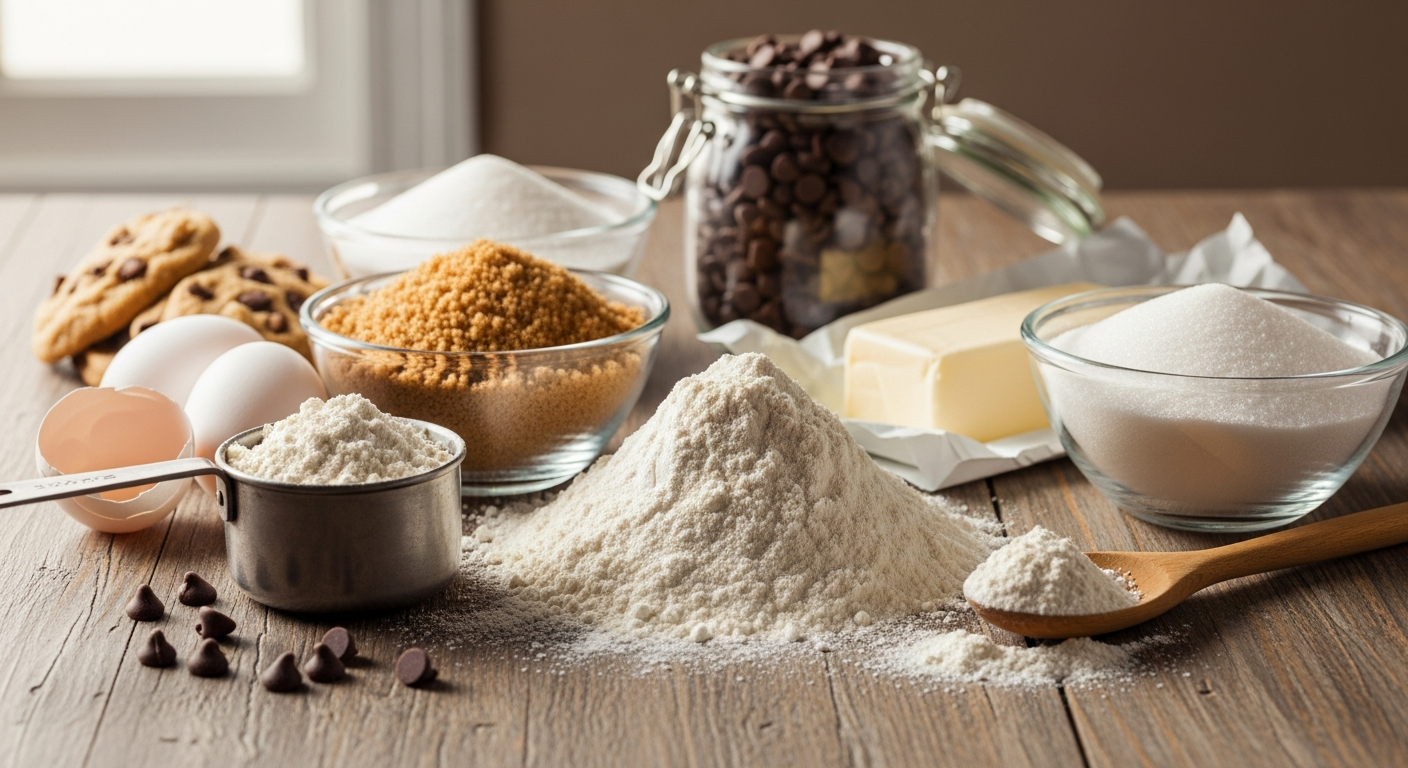 To bake the best soft and chewy sugar cookies, start with the right ingredients. You need simple things that are in most kitchens. For cookie dough, you will need unsalted butter, granulated sugar, eggs, vanilla extract, all-purpose flour, soda, cream of tartar, salt, and colorful sprinkles. Make sure your butter is soft. This is important because it helps mix it well with the sugar in the stand mixer or hand mixer.
Measuring what you put in is very important, too. You should use a measuring cup for liquids. For flour and other dry items, it is best to use a food scale. This keeps your dough ball the right texture for soft cookies. As you mix, scrape the sides of the bowl so everything goes in together. After baking, store your sugar cookies in an airtight container to keep them fresh.
Choosing the Best Flours and Add-ins for Texture
The base of any good sugar cookie recipe is the flour you use. For the best results, go with all-purpose flour. This flour gives the right hold, making sure your soft cookies are not too heavy. How you measure your flour is also very important. Do not put your measuring cup straight into the flour bag because that can make the flour too tight, and your cookies could turn out dry. Instead, use a spoon to put the flour in the measuring cup. Then level off the top. Doing this helps you get the right amount, so your cookies stay soft.
All-purpose flour is key, but there are other things you need to make soft cookies. Brown sugar keeps them moist, and baking powder helps the cookies puff up. If you cream butter and sugar together, that adds tiny air pockets that help make the cookies soft.
Here are some simple tips to make great sugar cookies:
- Use all-purpose flour to make soft cookies each time.
- Always use a spoon to fill your measuring cup, and level it off.
- Do not use extra flour when you roll the dough. Try a silicone baking mat so your dough will not stick or dry out.
- If you want your cookies to be more like a shortbread cookie, bake them a little longer until you see gold on the edges.
Key Ingredients for Softness and Chewiness
What makes these sugar cookies so soft and chewy? The secret lies in a few key ingredients that add moisture and create a tender texture. While many recipes use only granulated sugar, adding a little brown sugar can introduce more moisture, leading to a chewier cookie. Cream of tartar is another essential ingredient; it reacts with baking soda to give the cookies their signature softness and slight tang.
An egg yolk can also be added for extra richness and chewiness. The fat in the yolk contributes to a more tender crumb. Some recipes might even call for a spoonful of sour cream or cornstarch. Sour cream adds moisture and a subtle tang, while cornstarch helps keep the cookies soft. Using real butter instead of margarine is also highly recommended for the best flavor and texture.
Here is a breakdown of key ingredients and their roles:
| Ingredient | Role in Softness and Chewiness |
|---|---|
| Brown Sugar | Adds moisture for a chewier texture. |
| Cream of Tartar | Creates a soft, tender crumb when combined with baking soda. |
| Egg Yolk | Adds fat and richness, resulting in a more tender cookie. |
| Cornstarch | Helps keep cookies soft and prevents them from spreading too much. |
Selecting and Using Colorful Sprinkles for Spring
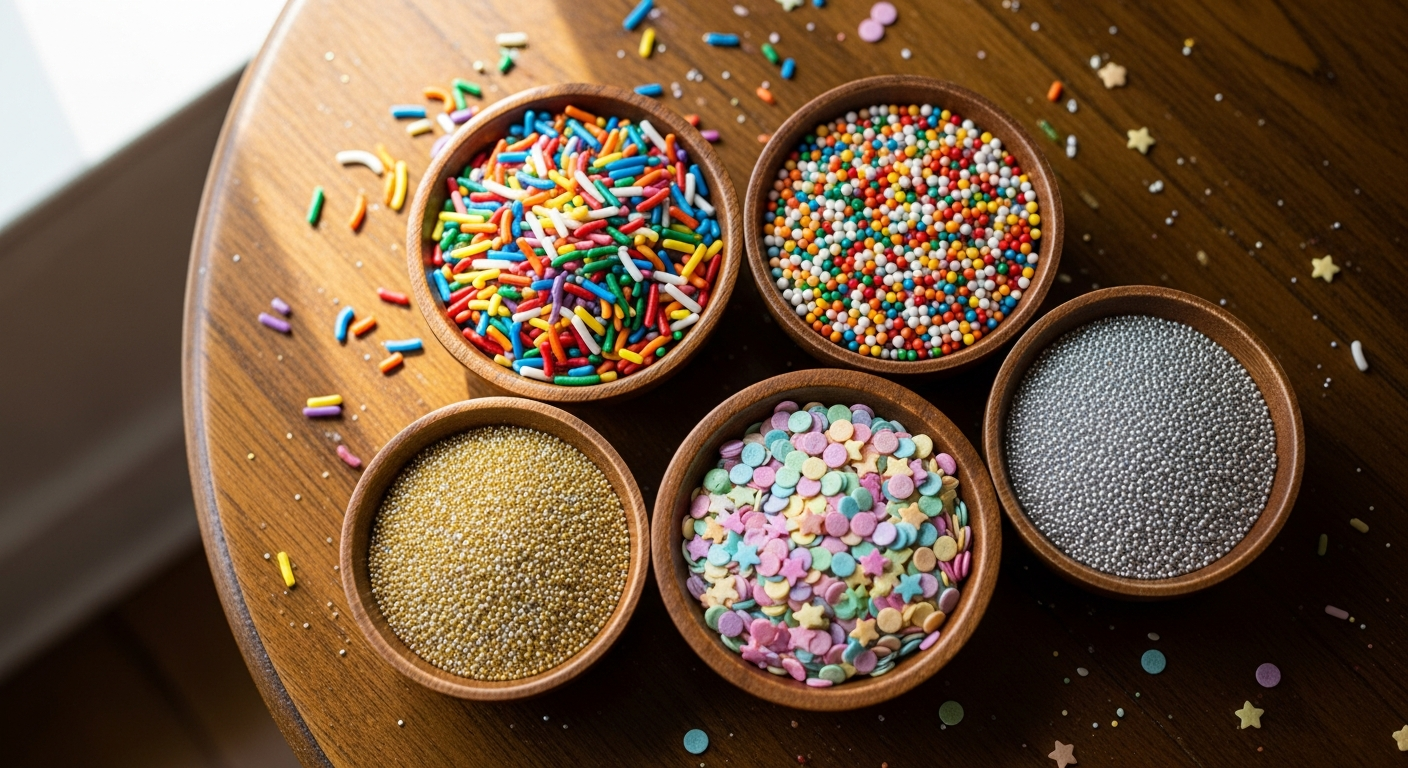 Colorful sprinkles make these pressed sugar cookies look just right for spring. Picking the right kind of sprinkles matters for how the cookies look and taste. You want sprinkles that stay in shape and keep their color as you bake them. Jimmies are the long, thin sprinkles. They work well because they do not bleed into the cookie dough.
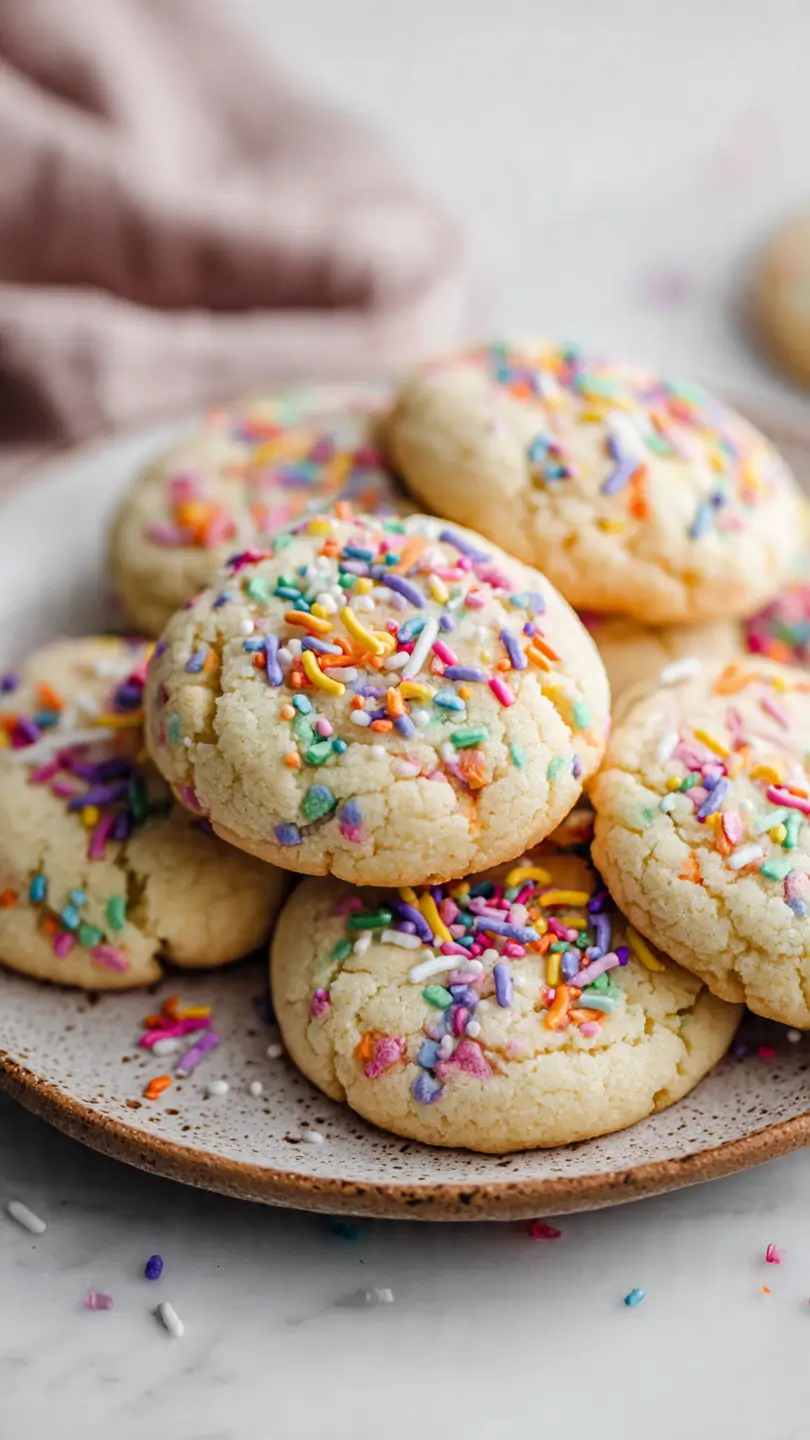
You can mix sprinkles right into the dough. This gives your cookies a fun, confetti style. If you want more color, roll your dough balls in sprinkles before putting them on the baking sheet. This will help your sprinkle sugar cookies look bright and happy. Make sure to watch your oven temperature when you bake. This keeps the sprinkles from melting too fast.
Types of Sprinkles That Work Best
Not all sprinkles be the same when you use them for baking. Some sprinkles work better for this sugar cookie recipe. You want to use sprinkles that keep their color and do not melt away as they bake. Jimmies are the best choice because they stay strong in the oven and don’t let color get into the cookie dough.
There is another good kind called confetti sprinkles. These are small, flat, and round. They also keep their look and make your cookies more fun. Nonpareils are the little colorful balls, but these often let their color bleed, especially if the cookie dough is cold or frozen. It is best not to use them in this cookie recipe. There are also mixes of sprinkles you can get for spring. These have soft colors and nice shapes for the season.
Here are the best sprinkles to use:
- Jimmies: These are long and thin, and do not bleed much.
- Confetti Sprinkles: These are flat and round and hold up well in the oven.
- Seasonal Mixes: You can get spring-themed mixes for a fun, bright touch.
- Avoid Nonpareils: These tiny balls can bleed color into the cookie dough.
These tips will help you with your baking so the cookies look and taste good each time you make this cookie recipe.
Preventing Melting or Color Bleeding During Baking

One big problem with making sprinkle sugar cookies is that the colors can run or mix into the cookie dough. But there are some easy things you can do to keep your sprinkles looking bright and clear when you bake them. You should pick your sprinkles with care. Jimmies work better than other types, like nonpareils, because they do not bleed as much.
The temperature of your dough ball also matters. If you plan to make your sugar cookies later, scoop the dough ahead of time and put it in the fridge. Dough that is cold does not spread out as much. This helps your sprinkles stay on top of the cookie and stops them from melting fast. When you want to bake, you can put the cold cookie dough right from the fridge to the baking sheet.
Try these tips to stop your sprinkles from melting or making a mess:
- Choose the right sprinkles: Stick with jimmies or confetti sprinkles.
- Chill the dough: A cold dough ball helps prevent too much spreading and sprinkle melting.
- Don’t overmix: Add the sprinkles at the very end of mixing and stop as soon as the sprinkles look good to you. This will make it less likely that color runs in the dough.
These simple baking steps will help your sprinkle sugar cookies look good after the baking process.
Making the Dough: Tips for Pressed Sugar Cookies
Making the perfect cookie dough is the first thing you need for tasty pressed sugar cookies. Begin by using a stand mixer or an electric mixer to beat your soft butter and sugar together. Mix until it looks light and fluffy. This part helps make your sugar cookies soft. After that, add your eggs and some extracts like vanilla or even sour cream, and mix this in until it all comes together. Make sure you scrape the sides of the bowl now and then, so all parts mix the same.
In another bowl, put your dry items together. Add flour, baking powder, and salt. Next, slowly add these dry things into the wet mixture. Mix with your mixer set on low speed. Do not overmix. At first, your cookie dough may seem crumbly, but after you keep mixing, it will become a smooth dough ball. When it is done, wrap it with plastic wrap if you want to chill it before baking.
Adding Seasonal Flavors like Lemon or Almond
You can make your spring sugar cookies taste even better by adding flavors that fit the season. Vanilla is always a good pick. You can try lemon or almond to make your cookies stand out. Almond gives sugar cookies a taste that feels classic and may remind people of times from the past. You only need to use a small bit of almond extract, so don’t add too much.
If you want a fresh flavor for spring, lemon zest is a good choice. The bright and citrusy taste of lemon goes well with the sweetness of sugar cookies. All you need to do is mix lemon zest with your butter and sugar. When you cream them together, the oils from the lemon zest come out. This will make the cookie dough have a nice lemon smell and taste.
Here are some ways you can use seasonal flavors for sugar cookies:
- Almond Extract: Mix half vanilla and half almond for a bakery flavor.
- Lemon Zest: Add one teaspoon of fresh lemon zest for a light, citrus taste.
- Other Extracts: You can also try other flavors such as orange or lavender to give your cookies something different.
Try these tips the next time you make cookie dough for fresh, tasty sugar cookies that everyone will enjoy.
Achieving Consistent Softness with Mixing Techniques
The real trick to making soft sugar cookies is in how you mix the dough. Start by making sure your butter and eggs are at room temperature before you start. When the butter is soft, it mixes better with sugar, which helps add little air pockets to your cookies. This will make your sugar cookies lighter and soft. If the butter is cold, it won’t mix right. But if you melt it, your cookies may spread too much in the oven.
If you use a stand mixer or hand mixer, be careful not to overmix once you add flour. Keep the mixer on low and stop as soon as you see the flour blended in and the dough sticks together. If you mix for too long, the gluten will get stronger. That means your cookies turn tough and dense instead of soft. Remember to scrape down the sides of the bowl so everything mixes well.
- Cream butter and sugar properly: Beat room temperature butter and sugar on medium for around two minutes. The mix should look light and creamy. This step is key for that perfect texture.
- Don’t overmix the flour: When you put in the dry stuff, stir just until the dough stays together. If you work the dough too much, the cookies get tougher.
Keep these tips in mind when you use a mixer and you’ll get soft cookies every time.
Shaping, Pressing, and Baking for Perfect Cookies
Once your dough is ready, you can start making cookies. For pressed cookies, just roll the dough ball between your hands, then flatten it. This way is fast and easy. You do not need cookie cutters for it. Put each dough ball on a baking sheet. Make sure you use a silicone baking mat or parchment. Leave about two inches between each one. This lets the cookies spread as they bake.
You can use the bottom of a glass. Dip it in a bit of sugar to stop it from sticking. Press down each dough ball until you get the thickness you like. Keep an eye on baking time and oven temperature. The baking process matters if you want soft cookies. If you bake them for a bit less, the center stays soft and chewy.
Best Methods to Press Cookies Evenly
Getting cookies to be the same thickness is key for even baking and a smooth look. One simple way to do this is by using the bottom of a glass. Dip it in a bit of sugar, then press it on top of the dough ball. The sugar keeps the dough from sticking. It also gives the cookies a nice sparkle and helps pull the glass away clean each time.
You can also use your hands. Roll the cookie dough into a ball, then use your palm to gently press it down. Try to flatten it to about 1/4 inch thick. If you want the cookies to look just right, try a large round cookie cutter. You can press the dough with it or tidy up the edges right after baking.
- Use the bottom of a glass: Dip it in sugar and press down on the dough ball for an easy, even circle.
- Use a silicone baking mat: This mat keeps the dough from sticking and helps you to get the same cookie thickness each time.
- Flatten with your hands: This gives a classic look. Simply press the dough balls with your palm.
Troubleshooting Cookie Spreading and Shape
Sometimes, cookies spread more than you want. They can lose their shape while baking. The biggest reason for this is butter that is too soft or butter that has melted. The butter in your dough should be at room temperature, but it should not be oily. If your dough feels very soft, put it in the fridge or freezer for 15–20 minutes. This can really help. When you bake a cold dough ball, it will not spread as much.
Another reason your cookies may spread is not using the right amount of flour. If there is not enough flour, the dough can be too loose. Your cookies can turn flat and thin. Make sure to use your measuring cup the right way. You should spoon the flour into the cup and level it off, not scoop it right from the bag. Also, look at your baking powder. If your baking powder is too old, your cookies might not puff up and can turn out thin and crisp. It is good to bake cookies on a parchment-lined baking sheet to help keep them from spreading too much.
- Chill the dough: If your cookies are spreading too much, put the dough balls in the fridge for at least 20 minutes before baking.
- Measure flour correctly: Too little flour can cause spreading. Spoon flour into your measuring cup and level it off to get it right.
Equipment
- Stand mixer or hand mixer
- Large mixing bowls
- Cookie scoop (1.5 tbsp size)
- Baking sheets
- – Parchment paper or silicone baking mat
- Flat‑bottomed glass for pressing
- Wire cooling rack
Ingredients
- Cookie Dough
- 1 cup 225 g unsalted butter, softened to room temperature
- ¾ cup 150 g granulated sugar
- ¼ cup 50 g brown sugar (packed, for added chewiness)
- 2 large eggs room temperature
- 1 egg yolk for extra richness and tenderness
- 2 tsp vanilla extract
- ½ tsp almond extract optional, for a bakery‑style flavor
- 1 tsp fresh lemon zest optional, for a spring citrus twist
- 2½ cups 310 g all‑purpose flour, spooned and leveled
- 1 tsp cream of tartar
- ½ tsp baking soda
- ¼ tsp baking powder
- ½ tsp salt
- 1 tsp cornstarch optional, helps keep cookies soft
- 2 –3 tbsp sour cream or plain Greek yogurt optional, for extra moisture
- Sprinkles & Finishing
- ½ –¾ cup 80–120 g jimmies or confetti sprinkles (spring‑themed mix)
- 2 –3 tbsp granulated sugar for pressing, optional
Instructions
- Preheat and Prep
- Preheat oven to 375°F (190°C).
- Line baking sheets with parchment paper or a silicone baking mat.
- Cream Butter and Sugar
- In a stand mixer or with a hand mixer, beat softened butter, granulated sugar, and brown sugar on medium speed 2–3 minutes until light, fluffy, and pale.
- Scrape down the sides of the bowl.
- Add Wet Ingredients
- Add eggs and egg yolk one at a time, mixing well after each.
- Add vanilla extract, almond extract (if using), lemon zest (if using), and sour cream (if using).
- Mix on low until just combined.
- Mix in Dry Ingredients
- In a separate bowl, whisk together flour, cream of tartar, baking soda, baking powder, salt, and cornstarch (if using).
- With mixer on low, slowly add dry ingredients to wet mixture; mix until a smooth dough forms. Do not overmix.
- Fold in Sprinkles
- Add jimmies or confetti sprinkles and fold in gently with a spatula until evenly distributed.
- Stop as soon as sprinkles are mixed in to avoid color bleeding.
- Scoop and Press
- Use a cookie scoop or spoon to roll dough into 1½‑inch balls (about 1.5–2 tbsp each).
- Place 2 inches apart on prepared baking sheet.
- Dip the flat bottom of a glass in granulated sugar and press each ball down to about ¼‑inch thickness.
- Optionally, roll the tops of dough balls in extra sprinkles before pressing for a more colorful finish.
- Bake
- Bake 10–12 minutes until edges are just set and slightly golden; centers should look slightly underdone.
- Do not overbake — cookies will firm up as they cool.
- Cool
- Let cookies cool on the baking sheet 5 minutes before transferring to a wire rack.
- Cookies reach their final soft, chewy texture once fully cooled.
Notes
Room temperature: Store cooled cookies in an airtight container up to 5–7 days; place a slice of bread in the container to help them stay soft. Freezer (baked): Freeze in a single layer, then transfer to a freezer bag up to 2–3 months; thaw at room temperature. Freezer (unbaked dough balls): Freeze scooped dough balls on a baking sheet, then transfer to a bag; bake from frozen, adding 1–2 extra minutes.

Frequently Asked Questions
Yes, you can make sugar cookies without gluten. Use a good 1-to-1 gluten-free all-purpose flour mix. Make sure the flour has xanthan gum in it. When you bake, do not leave the cookies in the oven too long. That is how you keep them soft. The cookie dough may feel a bit different, but the sugar cookies will still turn out soft and chewy. You will get tasty chewy cookies.
Of course! The great thing about this cookie recipe is that the bright sprinkles bring all the fun that you need. You don’t have to add any frosting, glaze, or icing. The sprinkles go into the dough and on top before the baking process starts. They make these cookies look bright, fresh, and give a bit more sweetness as well. You will have the best spring cookies without needing any extra toppings.
For beginners, use room temperature ingredients for better mixing. Measure flour accurately, and avoid overmixing the dough to ensure soft cookies. Chill the dough before baking for a perfect texture. Finally, experiment with fun sprinkles to enhance both appearance and taste of your Soft & Chewy Pressed Spring Sugar Cookies!