
✍️ Written & tested by Chef Tanya · About the chef
Key Highlights
- Veggie sticks with hummus is a simple, no-cook snack combining crunchy veggies with a creamy chickpea dip.
- This healthy snack is packed with fiber, plant-based protein, vitamins, and healthy fats.
- Making your own hummus is easy, taking just a few minutes in a food processor with pantry staples like chickpeas, tahini, olive oil, and lemon juice.
- This recipe is naturally gluten-free and vegan, making it a great appetizer for everyone to enjoy.
- You can easily meal prep this snack by storing cut veggies in water and homemade hummus in the fridge.
- Customize your hummus with different flavors like roasted red pepper or beetroot for variety.
What Are Veggie Sticks with Hummus?
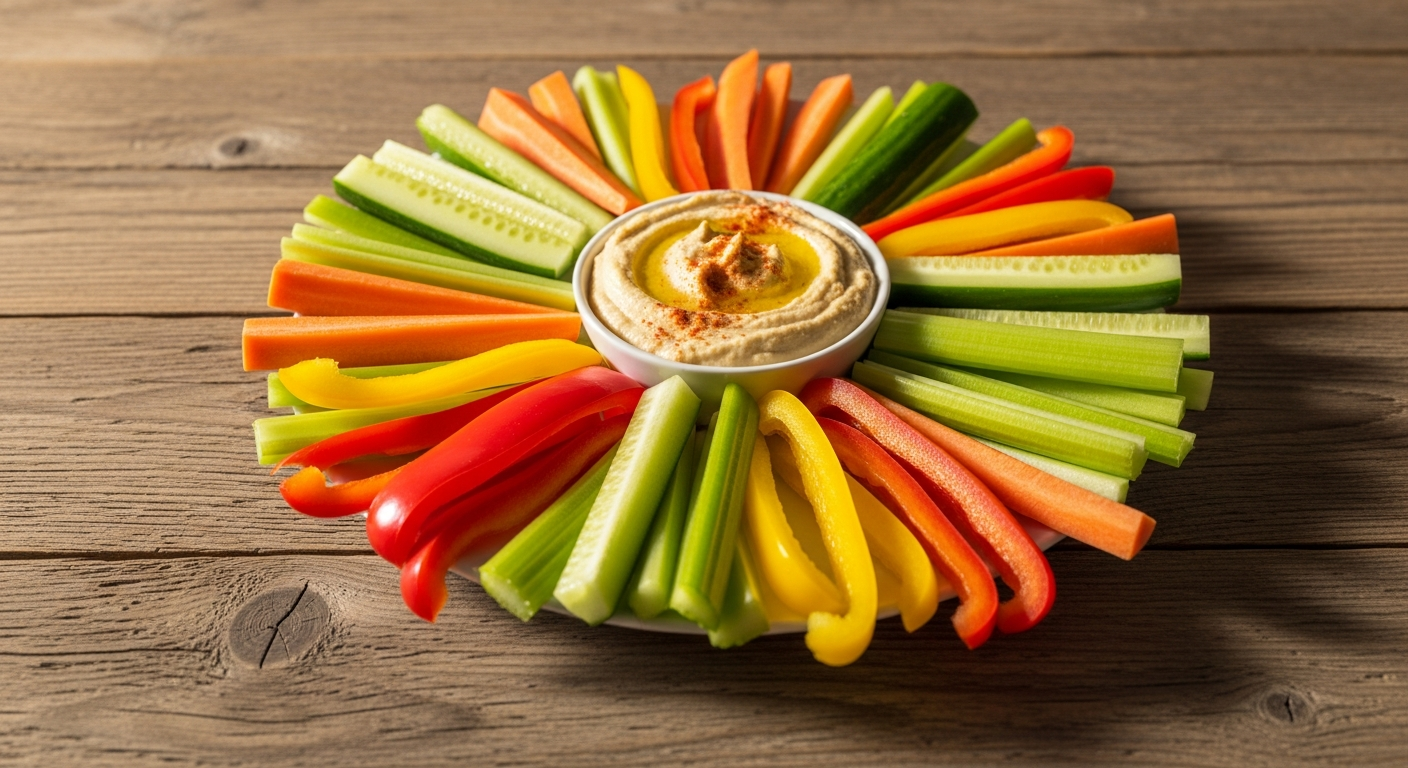
Veggie sticks with hummus is a classic dip combination that is both simple and satisfying. It pairs fresh, crunchy veggies like carrots, celery, and cucumbers with a creamy chickpea dip. Hummus is a traditional Middle Eastern spread made from mashed chickpeas, tahini sauce, lemon juice, and olive oil. You can use either store-bought hummus or make your own homemade hummus in a food processor for a fresher taste without preservatives. This combination is a popular healthy snack and appetizer because it’s easy to prepare and incredibly nutritious.
Preparing this snack is straightforward. You simply cut your favorite vegetables into sticks and serve them alongside a bowl of hummus. It’s a perfect option for a quick bite, a light lunch, or a party platter. The contrast between the crisp, fresh veggie sticks and the smooth, rich hummus makes it a favorite for many. Plus, it’s a great meal prep option, as you can prepare a large batch of homemade hummus and cut your vegetables in advance, storing them in the fridge for a ready-to-eat snack anytime.
Overview of Crunchy Veggie Sticks and Classic Hummus
Crunchy veggie sticks provide a refreshing and crisp base for dipping. Common choices like celery, carrots, and cucumbers are not only delicious but also full of nutrients. These vegetables offer a satisfying crunch that pairs perfectly with the smooth consistency of classic hummus.
The hummus itself is a classic dip made from a blend of a few key ingredients. The star is the chickpeas, which are blended until smooth in a food processor. Tahini, a paste made from sesame seeds, adds a nutty flavor and creamy texture. Fresh lemon juice provides a bright tang, while olive oil adds richness.
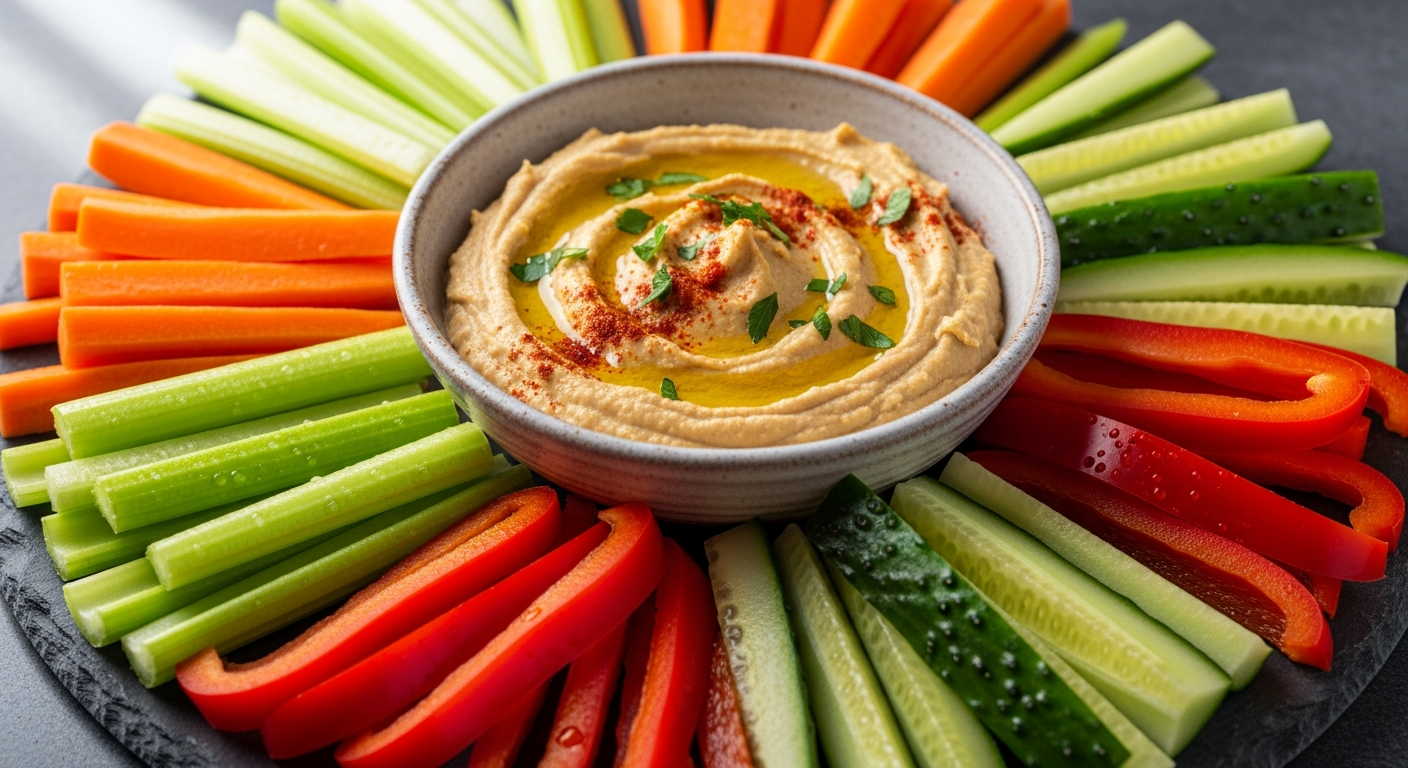
To prepare this snack, you just need to arrange the cut veggies around a bowl of hummus. For a kid-friendly presentation, use mini bell peppers or cucumber sticks, which have a slightly sweeter taste and softer crunch. A sprinkle of paprika on top of the hummus adds a touch of color and flavor, making the appetizer even more appealing.
Why This Snack is a Favorite in the United States
Veggie sticks with hummus have become a go-to snack across the United States for several reasons. First, it’s incredibly convenient. It requires zero cooking and can be assembled in minutes, making it perfect for busy lifestyles. People often look for quick, healthy snack options on sites like Pinterest, and this fits the bill perfectly.
Its reputation as a healthy snack is another major factor in its popularity. This appetizer is low in calories yet high in nutrition, offering fiber from the veggies and plant-based protein from the hummus. It’s naturally gluten-free and vegan, catering to various dietary needs.
Finally, its versatility makes it a staple. You can enjoy it as a light lunch, a post-workout refuel, or a party appetizer. It’s easy to pack for an office snack or for kids’ lunchboxes. The simple, fresh ingredients and satisfying textures make it a snack that people feel good about eating regularly.
Key Ingredients for Veggie Sticks and Hummus
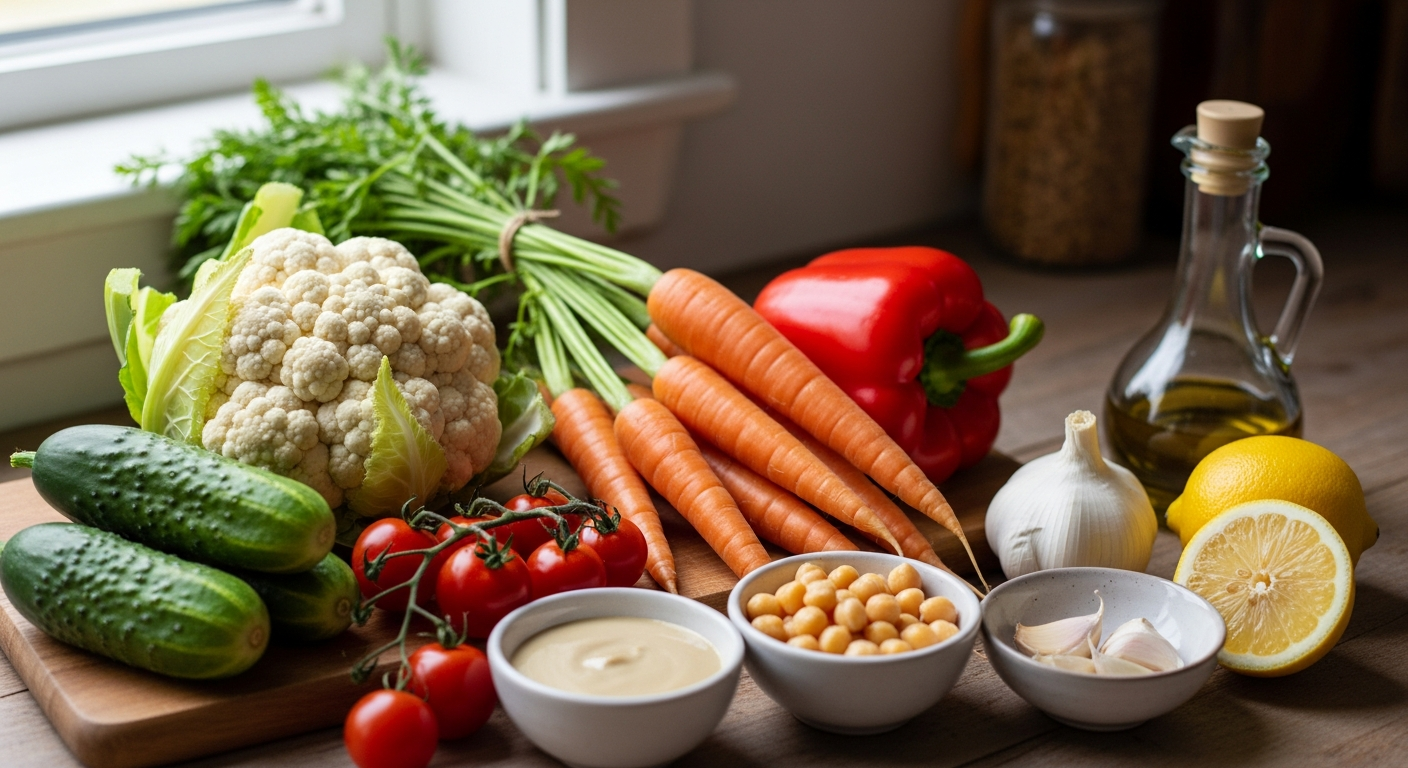
To create this delicious snack, you need a selection of fresh veggies and a few pantry staples for the hummus. For the veggie sticks, choose crisp vegetables like carrots, celery, and bell peppers. These provide the perfect crunchy texture for dipping.
For the hummus, the essential components are chickpeas, tahini, fresh lemon juice, and extra virgin olive oil. A clove of garlic adds a pungent kick, while spices like cumin and salt enhance the flavor. A food processor is key to blending these ingredients into a smooth, creamy dip.
Best Vegetables for Dipping in Hummus
Choosing the right vegetables can elevate your hummus experience. You want veggies that are sturdy enough to scoop up the dip without breaking and offer a satisfying crunch. The best options are typically fresh, crisp, and full of flavor.
While carrots and celery are classic choices, many other vegetables work wonderfully. Bell peppers, especially red and yellow ones, are sweet and packed with antioxidants. Cucumbers offer a refreshing, watery crunch that contrasts nicely with the rich hummus. Consider these popular choices:
- Carrot sticks
- Celery sticks
- Red bell pepper strips
- Cucumber slices or spears
- Broccoli florets
These veggies are not just tasty; they are also packed with fiber and nutrients, making your snack even healthier. You can prepare a colorful platter with a variety of fresh veggie sticks to make your appetizer visually appealing and nutritionally diverse. Store them in the fridge to keep them crisp until you’re ready to serve.
Essential Ingredients for Making Creamy Homemade Hummus
Making creamy homemade hummus is surprisingly easy and requires just a handful of essential ingredients. Having these pantry staples on hand means you can whip up a fresh batch of this easy recipe anytime. The quality of your ingredients, especially the tahini, will significantly impact the final flavor and texture.
The foundation of any authentic hummus recipe is chickpeas, also known as garbanzo beans. Tahini, a paste made from sesame seeds, gives hummus its signature nutty flavor and creamy consistency. Fresh lemon juice adds brightness, while extra virgin olive oil contributes richness. Garlic, salt, and cold water are also crucial for taste and achieving that perfect texture in the food processor.
Here are the key ingredients for the best hummus recipe: | Ingredient | Description | |—|—| | Chickpeas | The base of the hummus, providing protein and a creamy texture. | | Tahini | Adds a nutty flavor and helps create a smooth consistency. | | Lemon Juice | Provides a fresh, tangy flavor that brightens the dip. | | Extra Virgin Olive Oil | Adds richness and a smooth mouthfeel. | | Garlic | Offers a pungent, savory kick. Use fresh for the best flavor. | | Cold Water | Helps to thin the hummus to the desired creamy texture. | | Salt | Enhances all the other flavors. |
Nutritional Benefits of Veggie Sticks with Hummus
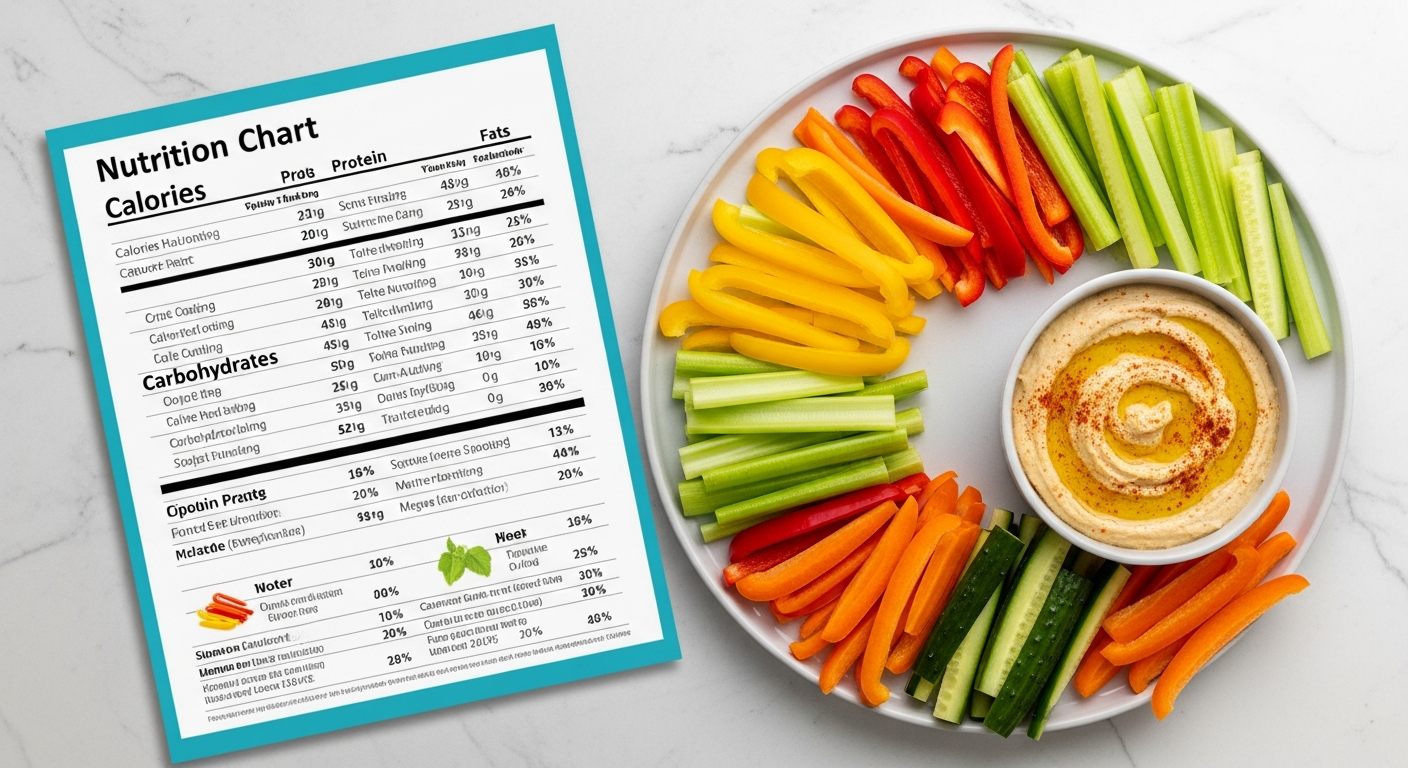
Veggie sticks with hummus are more than just a tasty snack; they are a powerhouse of nutrition. This combination provides a balanced mix of macronutrients and micronutrients. The fresh veggies are an excellent source of vitamins, minerals, and fiber, which are essential for good health.
The hummus contributes plant-based protein from chickpeas and healthy fats from tahini and olive oil. Together, they create a snack that is satisfying, helps keep you full, and supports a healthy lifestyle. It’s a naturally vegan and gluten-free option that is both delicious and nourishing.
Vitamins, Minerals, and Fiber from Fresh Veggies
Fresh vegetables are the star when it comes to the nutritional content of this healthy snack. They are loaded with essential vitamins and minerals that support various bodily functions. For instance, carrots are famous for their high vitamin A content, while bell peppers are an excellent source of vitamin C, a powerful antioxidant.
Beyond vitamins, these veggies provide a significant amount of dietary fiber. Fiber is crucial for digestive health and helps you feel full longer, which can aid in weight management. Munching on raw celery, cucumbers, and carrots is a fantastic way to increase your daily fiber intake without adding a lot of calories.
The combination of different colored vegetables on your plate also ensures you get a wide range of antioxidants. These compounds help protect your body from damage caused by free radicals. So, a colorful platter of veggie sticks isn’t just visually appealing; it’s a sign of diverse and powerful nutrition.
Plant-Based Protein and Healthy Fats in Hummus
Hummus is an excellent source of plant-based protein, primarily from its main ingredient, chickpeas. Protein is essential for building and repairing tissues in your body and can help you feel full and satisfied after a snack. This makes hummus a great choice for vegans, vegetarians, or anyone looking to add more plant-based foods to their diet.
The dip is also rich in healthy fats, thanks to the tahini and olive oil. Tahini, made from sesame seeds, contains monounsaturated and polyunsaturated fats, which are beneficial for heart health. Olive oil is another well-known source of healthy monounsaturated fats.
These healthy fats not only contribute to the creamy, satisfying texture of the hummus but also play a role in overall nutrition. They can help with the absorption of fat-soluble vitamins from the vegetables you’re dipping. This synergy makes veggie sticks and hummus a nutritionally complete and smart snack choice.
Step-by-Step Guide to Preparing Veggie Sticks
Preparing veggie sticks is a simple process that requires minimal effort. The key is to start with fresh, crisp vegetables and cut them into uniform shapes for easy dipping. This prep can be done ahead of time, making it a convenient option for meal prep.
Start by washing and peeling your vegetables. Then, cut them into sticks that are about finger-width. You can store the cut crunchy veggies in a mason jar or an airtight container in the fridge to keep them fresh for several days.
How to Wash, Peel, and Cut Vegetables for Dipping
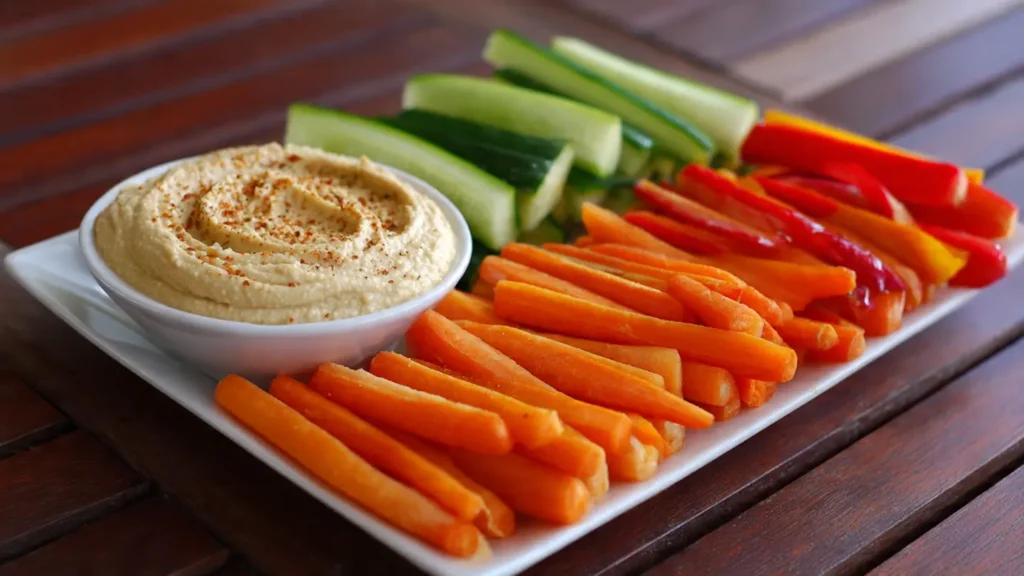
Properly preparing your vegetables is the first step to creating the perfect platter of crunchy veggies. Start by thoroughly washing all your vegetables under cold running water to remove any dirt or residue. For vegetables with tougher skins, like carrots, peeling them is a good idea for a better texture.
Once your veggies are clean, it’s time to cut them. The goal is to create sticks that are easy to hold and dip. Using a sharp knife will help you make clean, even cuts. Cut vegetables like carrots, celery, and cucumbers into long, finger-sized sticks. For bell peppers, remove the seeds and membranes, then slice them into strips.
Here is a quick guide to prepping your vegetables:
- Wash: Rinse all vegetables under cold water.
- Peel: Peel carrots to remove the outer skin. Cucumbers can be partially peeled or left with the skin on.
- Cut: Slice carrots, celery, and cucumbers into sticks about 3-4 inches long.
- Core: For bell peppers, cut them in half, remove the core and seeds, then slice into strips.
- Arrange: Place the cut veggies in a bowl or on a platter for serving.
Tips for Keeping Veggies Fresh and Crunchy
Nothing is more disappointing than a limp, soggy veggie stick. To ensure your vegetables stay fresh and maintain their satisfying crunch, proper storage is key. The main enemy of cut veggies is moisture loss, which causes them to become soft and unappetizing.
A simple and effective trick is to store your cut veggie sticks in water. Place them in a mason jar or an airtight container and cover them completely with cold water. This helps the vegetables retain their moisture and crispness. Store the container in the fridge, and your crunchy veggies will be ready to go for several days.
Here are a few more tips for keeping your veggies at their best:
- Store in Water: Submerge cut carrots and celery in water in an airtight container in the fridge.
- Change the Water Daily: If storing for more than a day, changing the water daily helps keep them fresh.
- Keep Separate: Store different types of vegetables in separate containers to prevent them from absorbing each other’s flavors.
How to Make the Perfect Homemade Hummus
Creating the perfect homemade hummus at home is easier than you think. All you need are a few simple ingredients and a good food processor or blender. The key to a great hummus lies in balancing the flavors of chickpeas, tahini, lemon juice, and garlic to create a smooth, creamy dip.
Start by combining your ingredients in the bowl of a food processor. Blend until the mixture is incredibly smooth, adding a bit of cold water to reach your desired consistency. A drizzle of olive oil and a sprinkle of spices as a garnish will make your homemade hummus look and taste amazing.
Simple Hummus Recipe for Beginners
If you’re new to making your own hummus, this simple hummus recipe is the perfect place to start. It uses canned chickpeas, which saves time, and basic pantry ingredients. The result is a delicious and creamy dip that rivals any store-bought version. You’ll need a food processor or a high-powered blender for this easy recipe.
To begin, you’ll combine a can of chickpeas (drained and rinsed), fresh lemon juice, tahini, a garlic clove, and salt in the bowl of a food processor. Blend these ingredients until they start to form a thick paste. This initial blend helps to break down the chickpeas and garlic thoroughly.
Then, with the food processor running, slowly drizzle in cold water and olive oil until the hummus reaches a smooth and creamy consistency. Taste and adjust the seasoning if needed. You can prepare this for a healthy snack in just a few minutes.
- Combine 1 can of chickpeas, 1/3 cup tahini, the juice of 1/2 lemon, 1 garlic clove, and 1 teaspoon of salt in a food processor.
- Blend until a thick paste forms.
- With the machine running, slowly add 3 tablespoons of cold water and 2 tablespoons of extra virgin olive oil.
- Blend for 2-3 minutes until very smooth, adding more water if needed. Serve with a sprinkle of paprika.
Techniques for Smooth and Creamy Texture
Achieving an ultra-smooth and creamy texture is the hallmark of a great homemade hummus. While a food processor does most of the work, a few techniques can take your hummus from good to exceptional. One popular trick is to use very cold water, or even ice cubes, while blending. The cold temperature helps create a fluffier, creamier result.
Another tip is to blend the tahini and lemon juice together first for about a minute before adding the other ingredients. This step helps to whip the tahini, giving the final hummus a lighter consistency. Also, be patient with the blending time. Letting the food processor run for a few extra minutes can make a significant difference in smoothness.
For the ultimate creamy texture, consider these techniques:
- Boil the Chickpeas: If using canned chickpeas, boiling them for 20 minutes makes them extra soft and easier to blend into a smooth puree.
- Peel the Chickpeas: While time-consuming, removing the skins from each chickpea results in the silkiest hummus possible.
- Add Ingredients Slowly: Drizzle in the olive oil and cold water slowly while the blender is running to help them emulsify properly, creating a creamy texture.
Creative Ways to Upgrade Your Hummus
Once you’ve mastered the classic hummus recipe, you can start experimenting with creative flavor variations. Upgrading your hummus is a fun way to add variety to your snack routine and impress your guests. Simple additions can completely transform the taste and appearance of your dip, giving it a new and exciting different flavor profile. From roasted vegetables to fresh herbs and spices, the possibilities are endless.
You can easily create new flavors by adding ingredients directly into the food processor along with the chickpeas and tahini. For example, adding roasted red peppers will give you a sweet and smoky red pepper hummus. Or, blend in some cooked beetroot for a vibrant, earthy flavor and a stunning pink color. Don’t be afraid to experiment with different spices like smoked paprika, cayenne pepper, or sumac to find your new favorite hummus.
Flavor Variations like Beetroot, Roasted Red Pepper, and More
Exploring different flavor variations is one of the best parts of making your own hummus. You can easily customize the classic easy recipe to suit your taste or match a specific theme. Adding just one extra ingredient can create a completely different flavor profile.
For a sweet and smoky twist, try making roasted red pepper hummus. Simply add a handful of jarred roasted red peppers to your food processor along with the other ingredients. For an earthy and visually stunning option, beetroot hummus is a fantastic choice. Just add one small, cooked beetroot to the mix. The vibrant color is sure to be a conversation starter.
Here are a few creative ideas to try:
- Roasted Red Pepper Hummus: Add 1/2 cup of drained, jarred roasted red peppers.
- Beetroot Hummus: Add one small, cooked, and chopped beetroot for an earthy flavor and brilliant color.
- Spicy Hummus: Add a pinch of cayenne pepper or a chopped jalapeño for a fiery kick.
- Herby Hummus: Blend in a handful of fresh parsley, cilantro, or basil for a fresh, vibrant taste.

Ingredients
- Veggie Sticks
- 2 large carrots washed and peeled
- 1 –2 stalks celery washed
- 1 –2 cucumbers washed (optional: partially peeled or leave skin on)
- 1 bell pepper red, yellow, or orange, seeded
- 1 cup broccoli florets optional
- Tiny pinch of salt and water for storage
- Classic Homemade Hummus
- makes about 1½ cups
- 1 can 15 oz / 425 g chickpeas (garbanzo beans), drained and rinsed
- ⅓ cup 80 g tahini (good quality)
- 2 –3 tbsp fresh lemon juice about ½–1 lemon
- 1 –2 cloves garlic peeled
- 2 –3 tbsp extra‑virgin olive oil
- 4 –6 tbsp cold water or a few ice cubes
- ½ tsp salt or to taste
- ½ tsp ground cumin optional
- Olive oil and paprika or sumac for garnish
Instructions
-
Prepare the Veggie Sticks
-
Wash and peel. Rinse all vegetables under cold running water. Peel the carrots completely. If you like, partially peel or peel cucumbers, depending on preference.
-
Cut into sticks.
-
Carrots: Cut into 3–4‑inch sticks, about finger‑width.
-
Celery: Trim ends, then slice lengthwise into ribbons or thinner sticks.
-
Cucumbers: Cut into 3–4‑inch spears or rectangular sticks.
-
Bell peppers: Halve, remove seeds and membrane, then slice into thick strips.
-
Broccoli: Cut florets into bite‑sized pieces; thicker stems can be peeled and sliced like carrot sticks.
-
Store for crispness (meal prep option). Place carrot and celery sticks in a mason jar or airtight container and cover with cold water. Seal and refrigerate; change the water daily if keeping more than 24 hours. Keep other veggies (pepper, cucumber, broccoli) in separate dry containers.
-
Make the Hummus
-
Blend tahini and lemon. In a food processor, blend tahini and lemon juice with a pinch of salt for about 1 minute until the mixture thickens and becomes creamy — this step makes the hummus lighter and smoother.
-
Add remaining ingredients. Add drained chickpeas, garlic, salt, cumin (if using), 2 tbsp olive oil, and 2–3 tbsp cold water. Blend until it starts to form a thick paste.
-
Emulsify slowly. With the processor running, very slowly drizzle in the remaining olive oil and a bit more cold water (1–2 tbsp at a time). Continue blending 2–3 minutes until the hummus is ultra‑smooth and creamy. Add more water only if it looks too thick; it should still be fairly substantial for dipping.
-
Taste and adjust. Scoop out a small spoonful to taste. Add more salt, lemon, cumin, or garlic as needed. Some people like a tiny drizzle of additional water for a softer texture.
-
Garnish and chill. Spoon hummus into a shallow bowl. Create a shallow well in the center and drizzle with olive oil. Sprinkle lightly with paprika or sumac for color and flavor. Store covered in the fridge up to 5–7 days.
-
Serve
-
Assemble the platter. Arrange the veggie sticks in a circular or grid pattern around the bowl of hummus. Place broccoli florets between the sticks for color and texture.
-
Serve fresh. If the veggies have been stored in water, shake off excess moisture before serving for best crunch. This snack is delicious right away; you can also serve it at a party or packed in containers for lunchboxes.
Notes
Homemade is fresher, avoids preservatives, and lets you control salt and oil.
If you must use store‑bought, look for hummus with simple ingredients and lower sodium.
Texture tricks for the best hummus:
Use cold water or a few ice cubes while blending for a fluffier, smoother result.
Blend longer — 2–3 minutes total — for maximum creaminess.
For ultra‑silky hummus: boil canned chickpeas 15–20 minutes and peel them (removing skins) before blending.
If you like a milder garlic flavor, use only 1 clove or roast the garlic beforehand.
Nutrition

Tanya’s Kitchen Note
Taste and adjust before serving – recipes are roadmaps, not rules. Make-ahead friendly: store airtight and the flavors deepen overnight.
Frequently Asked Questions
Yes, you can absolutely use store-bought hummus for a quick and convenient snack. It’s a great time-saver when you don’t have time to make your own. However, keep in mind that many store-bought options contain preservatives and higher amounts of sodium and fat, so always check the label.
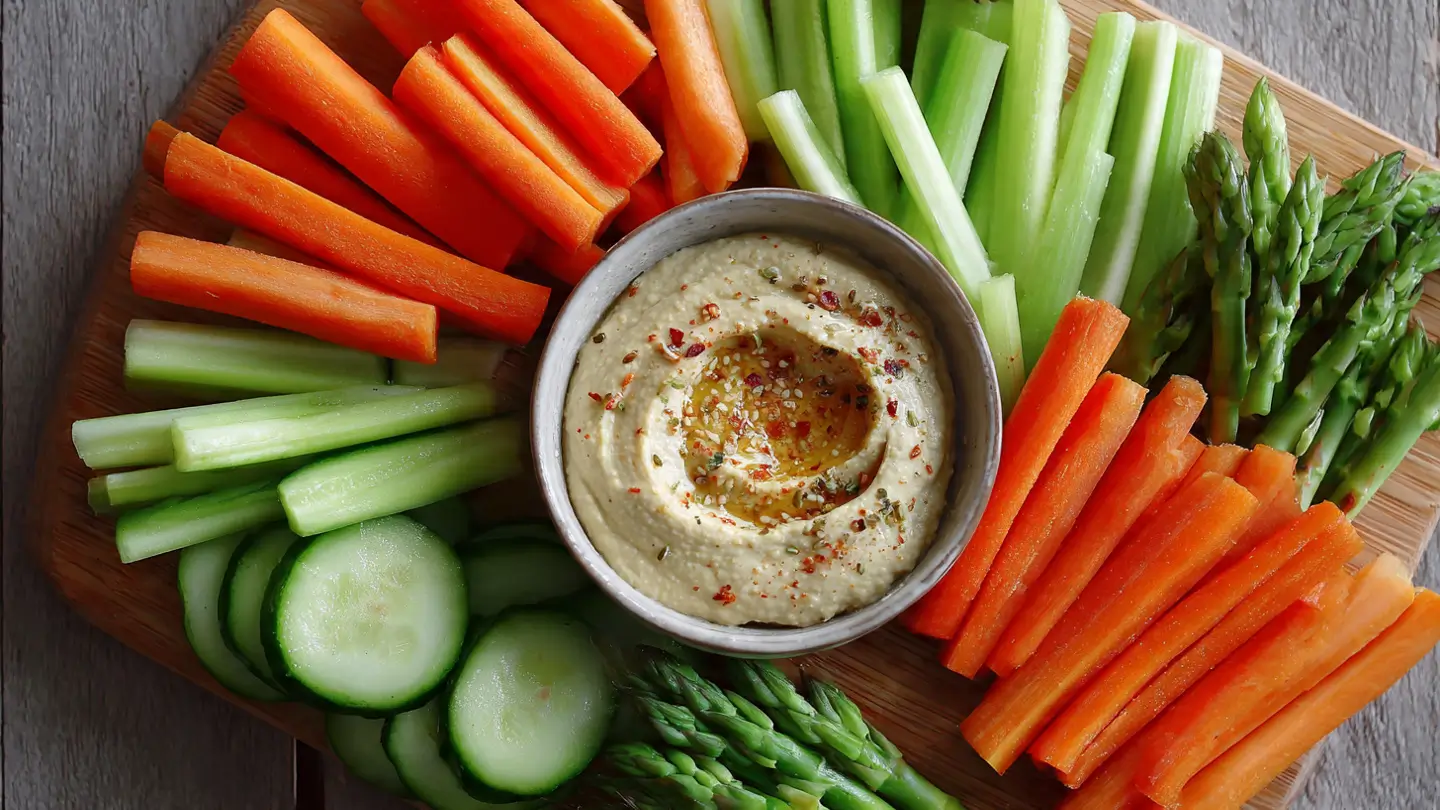
Beyond the classic carrots and celery, try some unique veggies like jicama sticks, snap peas, asparagus spears, or even lightly steamed green beans. Radish slices offer a peppery bite, and fennel strips provide a mild licorice flavor that pairs surprisingly well with the creamy hummus.
About the author
👩🍳 Chef Tanya is the recipe developer behind TanyaRecipes.com. Every recipe on this site is cooked and tasted in her own kitchen before it’s published — if it doesn’t work at home, it doesn’t make the blog. Read her story →