

Key Highlights
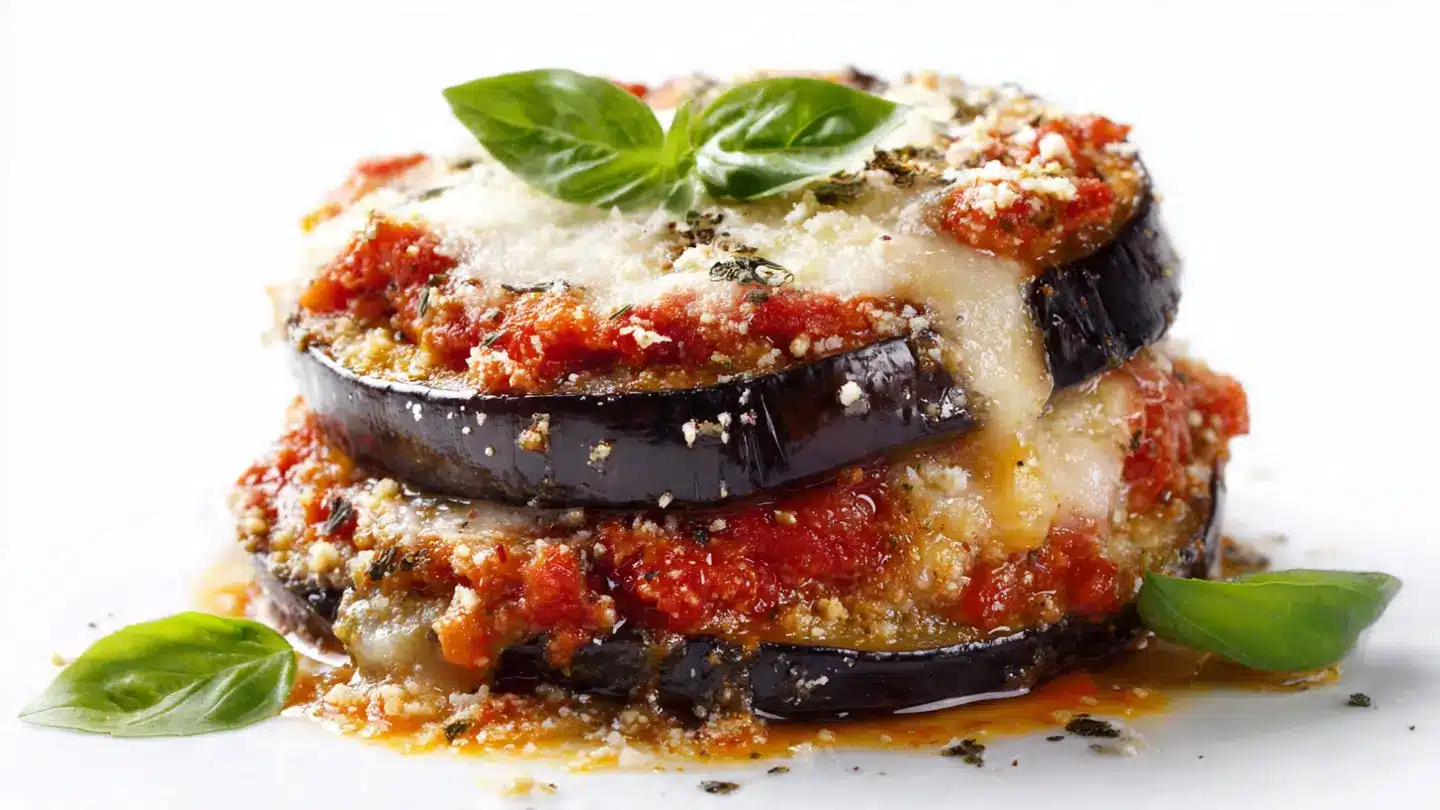
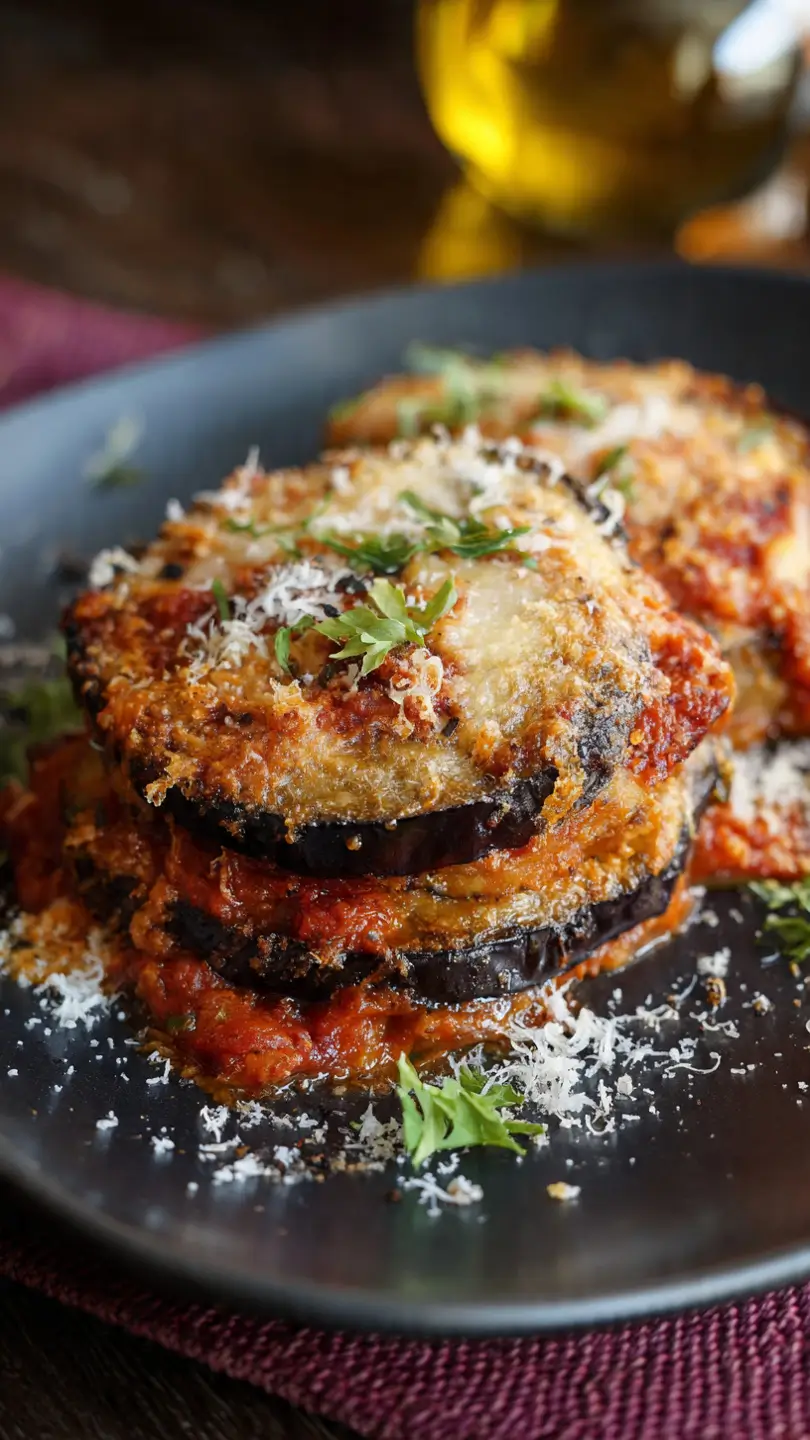
Discover the secrets to a perfect eggplant parmesan with this classic parmesan recipe. Learn how to prepare tender eggplant slices, layered with rich tomato sauce and gooey mozzarella cheese for a delicious meal.
- This recipe provides methods for both baking and frying your eggplant slices.
- Layering starts with marinara sauce, followed by a layer of eggplant, more sauce, and cheeses.
- Salting the eggplant is a key step to draw out moisture and prevent a soggy dish.
- Authentic flavor comes from using fresh mozzarella and high-quality Parmigiano Reggiano.
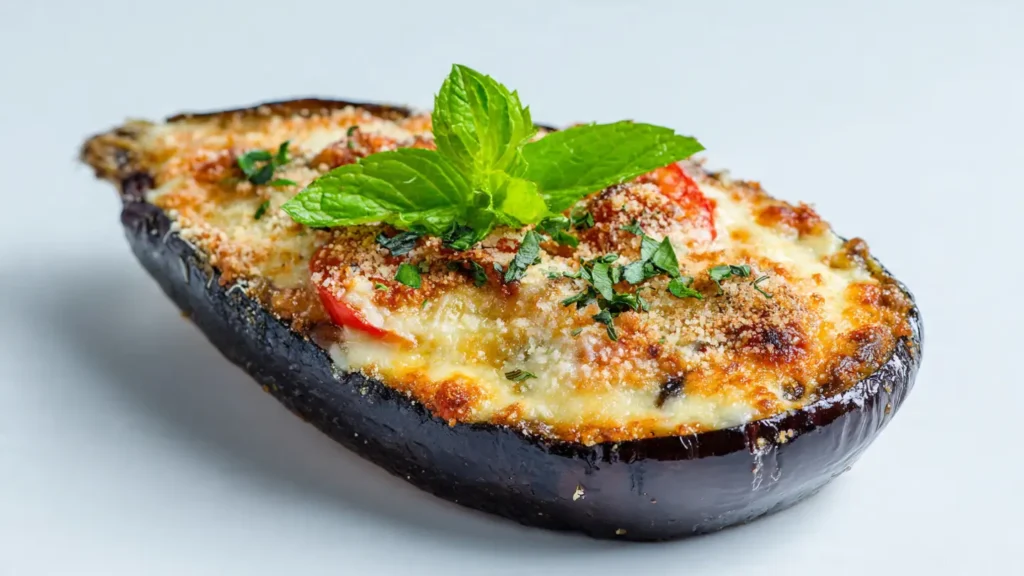
- The finished dish is baked until golden brown and bubbly, then garnished with fresh basil.
Choosing the Best Aubergine/Eggplant for Your Parmesan Recipe
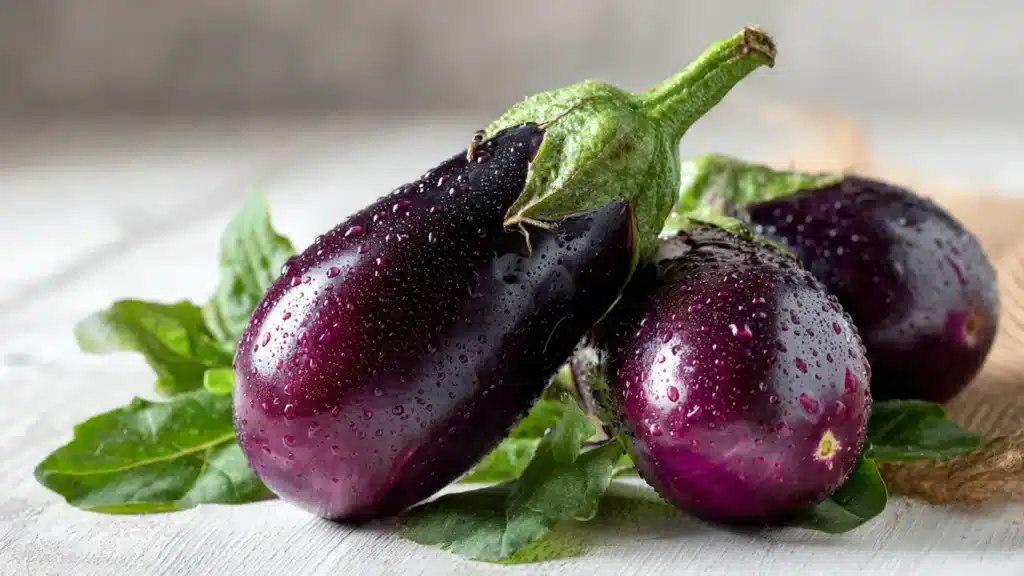
Selecting the right eggplant is the first step toward a fantastic eggplant parmesan. The quality of your main ingredient directly impacts the final texture and taste of the dish. Look for large eggplants that feel heavy for their size, as this indicates they are fresh and full of moisture. A firm, glossy skin is another sign of a great choice for your eggplant parm.
Traditionally, eggplant parmesan, or eggplant parmigiana, involves frying breaded eggplant slices before layering them with sauce and cheese. This method creates a crispy texture that holds up well during baking. Topped with fresh basil leaves, this classic Italian-American dish is a true comfort food favorite. Now, let’s explore how to pick the ideal eggplants.
How to Select Fresh Mediterranean Eggplants
When you’re at the store, picking the best eggplant is simple if you know what to look for. Freshness is crucial for good eggplant parmesan. Choose eggplants with smooth, shiny skin and a vibrant, uniform color. The stem and cap should be green and fresh-looking, not brown or dried out.
A key to preventing soggy eggplant parmesan is starting with the right eggplant and preparing it correctly to remove excess water. An older eggplant can be more bitter and contain more seeds. Give the eggplant a gentle press; it should be firm but have a little give. If it’s too soft, it might be past its prime. Making sure your thick slices are prepared well before cooking is essential for both fried and roasted eggplant dishes.
Here are a few tips for selecting the best eggplants:
- Size: Opt for small to medium-sized eggplants, which tend to be sweeter and have fewer seeds.
- Weight: The eggplant should feel heavy for its size, indicating high water content and freshness.
- Sound: A solid, dense sound when tapped suggests a fresher eggplant, while a hollow sound can mean it’s older.
Tips for Storing and Prepping Eggplants
Proper storage is important to keep your eggplants fresh until you’re ready to make your eggplant parmesan. It’s best to use them within a day or two of purchase. If you need to store them, you can keep them at room temperature for a short period. Avoid storing them in plastic wrap, as this can trap moisture and cause them to spoil faster.
When you’re ready to prep, the first step is slicing the eggplant. Then, you’ll “sweat” the slices by salting them and letting them sit. This process draws out bitter juices and excess water. After about 10 minutes, use paper towels to pat the slices completely dry. This step is vital for getting a crispy, not soggy, result. After drying, you’ll dredge the slices in all-purpose flour before moving on to the egg and breadcrumb coatings.
Yes, eggplant parmesan can be made ahead and reheated, making it a great option for meal prep.
- Freeze before baking: Assemble the entire dish, cover it tightly with plastic wrap and then foil, and freeze for up to a month. Thaw at room temperature before baking.
- Freeze after baking: You can also freeze leftovers. Store them in an airtight container for up to one month.
- Reheat: Reheat in the oven at 350°F until warm and bubbly.
Essential Ingredients for a Classic Eggplant Parmesan
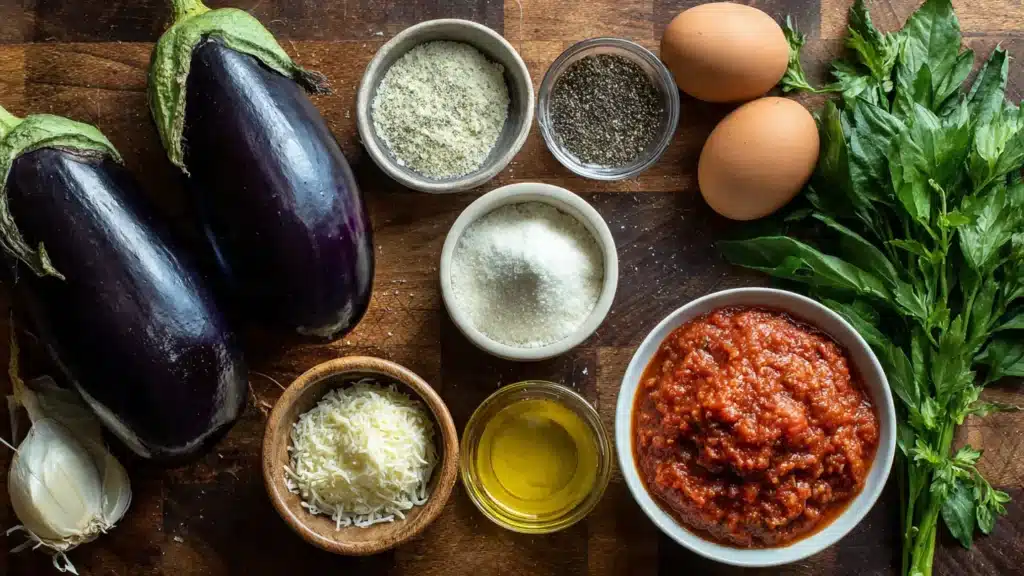
For an authentic eggplant parmesan recipe, you’ll need a handful of quality ingredients. The stars of the show are, of course, fresh eggplants, a rich marinara sauce, and plenty of cheese. You will also need eggs, flour, and bread crumbs to create the perfect crispy coating for your eggplant slices.
Using homemade bread crumbs can elevate the texture and flavor, but good quality store-bought ones work well too. The combination of mozzarella cheese and parmesan cheese creates that classic gooey, savory topping that everyone loves. Let’s look closer at the specific cheeses and other Mediterranean staples you’ll need.
Must-Have Cheeses for Authentic Flavor
The right cheese makes all the difference in eggplant parmesan. For the best flavor and melt, a combination of mozzarella cheese and Parmesan cheese is the answer. These two cheeses work together to create a dish that is both creamy and savory.
For the melt-in-your-mouth gooeyness, fresh mozzarella is superior to pre-shredded varieties. Slicing your own fresh mozzarella ensures a beautiful melt and richer flavor. When it comes to the sharp, nutty taste, nothing beats authentic Parmigiano Reggiano. Using freshly grated parmesan cheese will provide a much more robust flavor than pre-grated options, making it a key ingredient for taste.
Here is a breakdown of the best cheeses for this dish:
| Cheese Type | Role in the Dish | Best Form to Use |
|---|---|---|
| Mozzarella Cheese | Provides a creamy, gooey texture and mild flavor. It is essential for the classic cheese pull. | Fresh mozzarella, sliced. It melts more beautifully than pre-shredded cheese. |
| Parmesan Cheese | Adds a sharp, salty, and nutty flavor that defines the “parmesan” in the name. | Freshly grated Parmigiano Reggiano for the most authentic and robust taste. |
Other Mediterranean Staples You’ll Need
Beyond the eggplant and cheese, a few other Mediterranean staples are essential for building the rich flavors of a classic aubergine parmesan. High-quality olive oil is a must, both for frying or baking the eggplant and for adding depth to the dish. Using extra virgin olive oil can impart a wonderful, fruity note.
Fresh herbs are another key component. Chopped fresh basil leaves sprinkled over the finished dish add a bright, aromatic final touch that contrasts beautifully with the rich sauce and cheese. A good Italian seasoning blend in your breadcrumbs will also infuse every bite with herbaceous flavor. For those who like a little kick, a pinch of red pepper flakes in the marinara can add a gentle warmth.
Here are the other core ingredients you’ll need:
- Eggs and Flour: These are for the three-step breading process that ensures a crispy coating.
- Marinara Sauce: A good quality homemade or store-bought sauce provides the tomato base.
- Seasonings: Garlic powder, salt, black pepper, and Italian herbs season the breadcrumbs perfectly.
Preparing Your Aubergine/Eggplant Step by Step
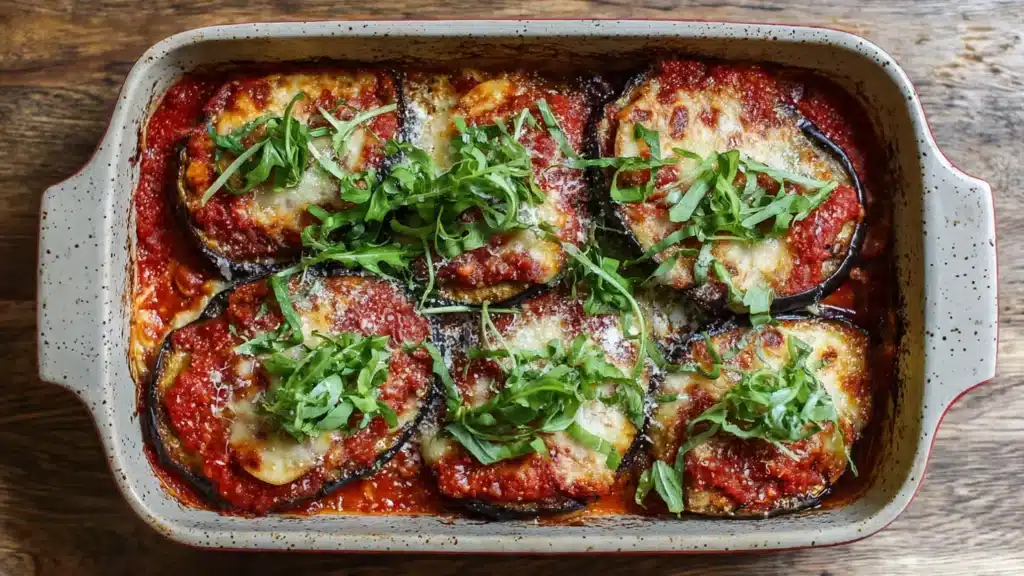
Getting your eggplant slices ready for layering is a crucial stage. After salting and patting the slices of eggplant dry, you’ll create a breading station. This involves three shallow bowls: one with flour, one with whisked eggs, and one with the breadcrumbs mixture. This setup makes the breading process smooth and efficient.
Each slice is first coated in flour, then dipped in the egg to let the excess drip off, and finally pressed into the breadcrumbs for a complete coating. This breaded eggplant is then ready for either baking or frying until golden brown. We will now consider whether you should peel the eggplant first and how to achieve the best texture.
Should You Peel Your Eggplant for This Recipe?
Deciding whether to peel your eggplant is a matter of personal preference, as the skin is completely edible. Many people, including traditional Italian cooks, leave the skin on when making eggplant parmesan. The skin helps each slice of eggplant hold its shape during cooking and adds a slightly “meatier” texture to the final dish.
If you choose to leave the skin on, it can contribute to the rustic character of your eggplant parmigiana. The dark purple skin also adds a bit of color and contains nutrients. Slicing the eggplant into 1/4 to 1/2-inch thick slices ensures that the skin becomes tender during baking and isn’t tough to eat.
However, if you or your family prefer a softer, more uniform texture, you can certainly peel the eggplant before slicing. Some find the skin can be slightly bitter, though choosing fresh, smaller eggplants usually minimizes this. Ultimately, whether you peel it or not, the dish will be delicious. The most important part is how you prepare the slices after they are cut.
Sweating and Roasting Techniques to Prevent Sogginess
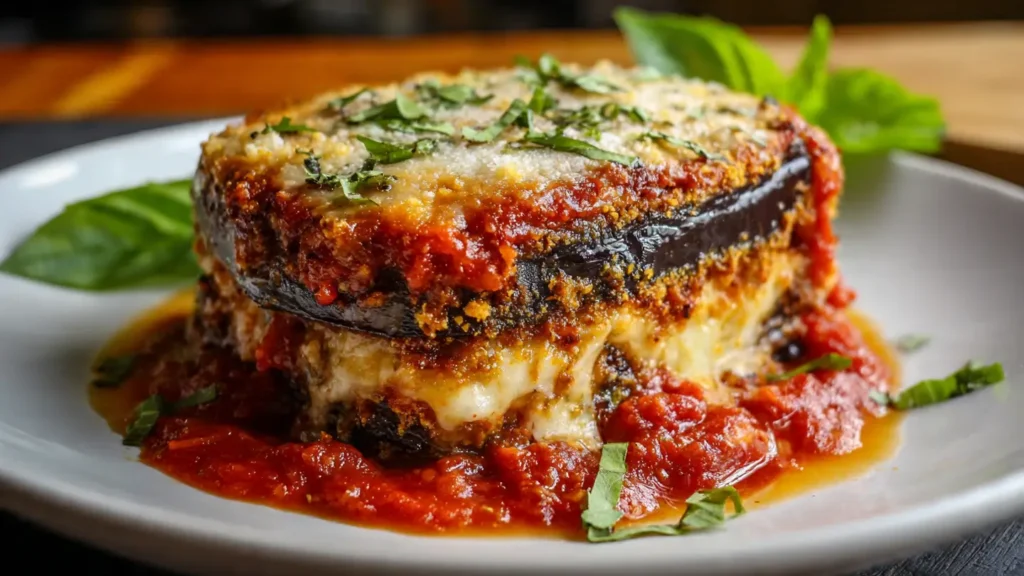
The secret to avoiding soggy eggplant parmesan lies in removing as much excess water as possible before assembly. This is achieved through a process called “sweating.” After slicing your eggplant, sprinkle the pieces with coarse salt and let them sit for 10-60 minutes. You will see beads of moisture form on the surface.
After the eggplant has sweat, it is crucial to pat the slices completely dry with paper towels. This step removes both the moisture and the excess salt. From here, you can proceed with breading and cooking. To roast the eggplant, arrange the breaded slices on a baking sheet brushed with olive oil. Bake at 350°F for 25-30 minutes, or until the roasted eggplant is golden brown and crisp.
Here are the key takeaways to prevent sogginess:
- Sweat the eggplant: Always salt your eggplant slices to draw out moisture.
- Dry thoroughly: Use paper towels to pat the slices completely dry before breading.
- Don’t oversauce: When layering, use just enough sauce to cover the eggplant, which helps preserve the crispiness. You can always serve extra sauce on the side.
Layering Your Eggplant Parmesan Like a Pro
Building your eggplant parmesan is like creating a delicious work of art. The key is to layer the components thoughtfully in a baking dish. You’ll start with a base of marinara sauce, which prevents the bottom layer of eggplant slices from sticking and adds moisture from the start.
Over the sauce, you will arrange the cooked eggplant in a single layer, overlapping them slightly if needed. This foundation sets the stage for the cheese and subsequent layers. Now, let’s get into the specifics of arranging the ingredients for the best results and discuss the differences between baked and fried versions.
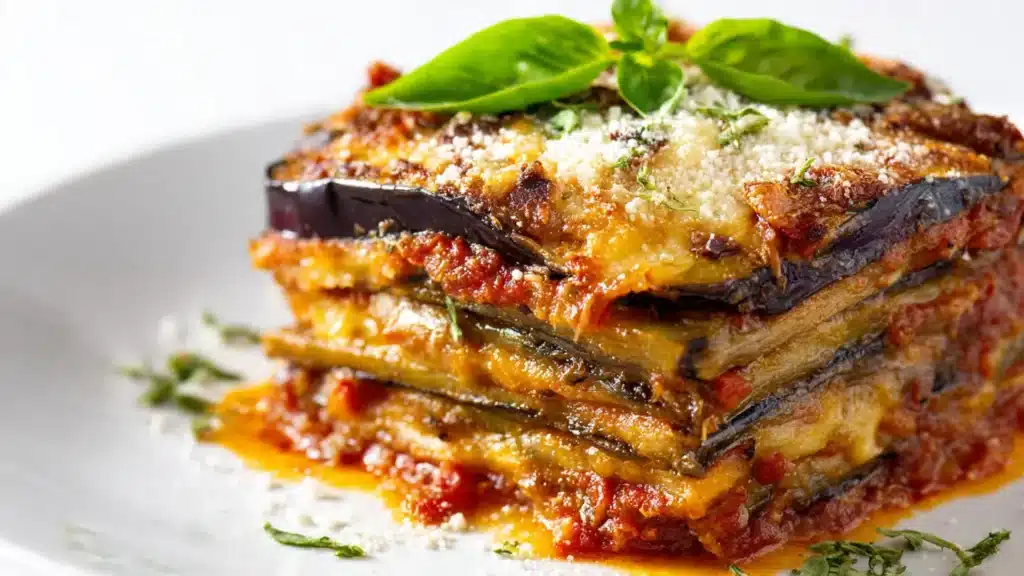
Arranging Aubergine, Sauce, and Cheese for Optimal Texture
The way you arrange your layers in the casserole dish significantly impacts the final texture of your eggplant parmesan. Start by spreading about a half cup of marinara sauce evenly on the bottom of the dish. This creates a flavorful base and prevents the eggplant from drying out.
Next, place half of your cooked eggplant slices over the sauce. Top each slice with a piece of fresh mozzarella, then spoon a little more marinara over the cheese. A sprinkle of Parmesan cheese comes next. Repeat this entire sequence for a second layer: eggplant, mozzarella, sauce, and Parmesan. This method ensures every bite has the perfect balance of flavors and textures. The top layer should be finished with the remaining marinara and a generous amount of cheese for a beautifully browned crust.
To perfectly layer your dish, follow these steps:
- Start with a layer of sauce on the bottom of the dish.
- Add a layer of cooked eggplant, then top with mozzarella, a spoonful of sauce, and Parmesan.
- Repeat the layers, ending with sauce and cheese on top.
Tips for Baked vs. Fried Eggplant Parmesan
You have two excellent options for cooking your breaded eggplant slices: baking or frying. The traditional method is frying, which involves cooking the slices in olive oil over medium heat for 2-3 minutes per side until golden brown. This creates an exceptionally crispy exterior. However, it does use a significant amount of oil.
For a lighter, healthier alternative, you can make baked eggplant parmesan. This method uses much less oil and is easier to manage. Simply arrange the breaded eggplant slices on an oiled baking sheet and bake them until golden. While the baked version might not be quite as crispy as the fried one, it is still incredibly delicious and a fantastic choice for a baked eggplant parmesan recipe.
Here are some key differences:
- Frying: Produces the crispiest texture but requires more oil and attention.
- Baking: A lighter option that uses less oil and is more hands-off.
- Flavor: Both methods yield a delicious result, so the choice comes down to personal preference for texture and health considerations.
Baking and Serving Your Eggplant Parmesan
Once your baking dish is layered with all the delicious components, it’s ready for the oven. Baking melds all the flavors together, melting the cheese until it’s bubbly and golden brown. Whether you’ve prepared your eggplant on a baking sheet or fried it, the final bake is what transforms it into a cohesive casserole.
After baking, let the dish rest for a few minutes before serving. This allows it to set, making it easier to slice and serve. Many agree that the flavors are even better the next day! Let’s cover the ideal baking times and temperatures, plus some great side dishes to complete your meal.
Recommended Bake Times and Temperatures
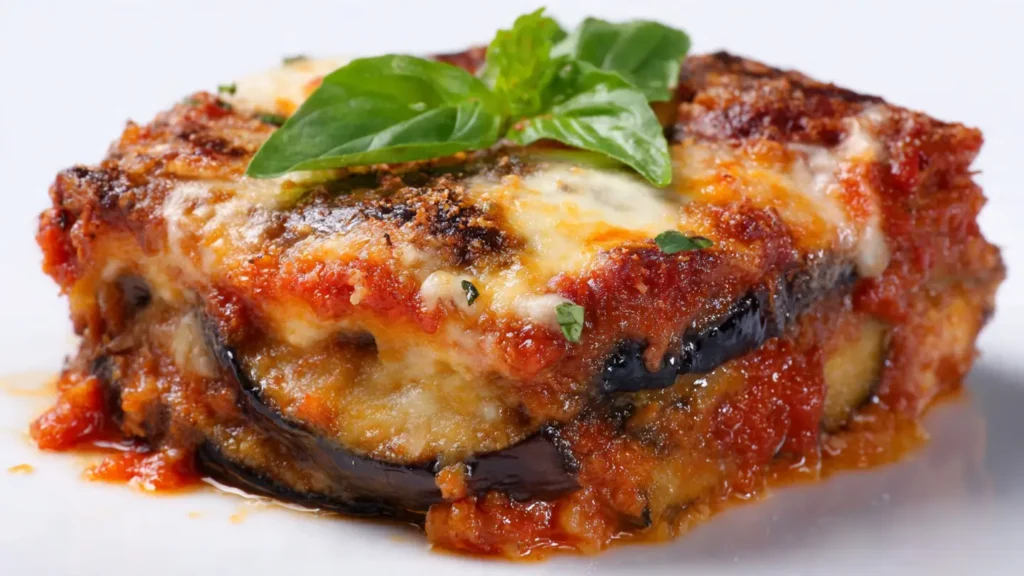
Getting the baking time and temperature right is essential for a perfect eggplant parmesan recipe. The goal is to heat the dish all the way through, melt the cheese until it’s bubbly, and achieve a beautiful golden brown top without overcooking the eggplant.
For the final bake after assembly, preheat your oven to 400°F. Bake the casserole uncovered for about 30-35 minutes. You’ll know it’s ready when the sauce is bubbling around the edges and the cheese on top is melted and browned. If you chose to bake the breaded eggplant slices instead of frying them, that initial cooking step requires a different temperature. You’ll bake them in a single layer on a sheet pan at 350°F for 25-30 minutes.
Here is a quick guide to the temperatures and times involved:
| Cooking Step | Temperature | Time | Desired Result |
|---|---|---|---|
| Baking Breaded Eggplant | 350°F (175°C) | 25-30 minutes | Slices are golden brown and cooked through. |
| Frying Breaded Eggplant | Medium Heat | 2-3 minutes per side | Slices are golden brown and crispy. |
| Final Bake (Assembled Dish) | 400°F (200°C) | 30-35 minutes | Cheese is melted and bubbly; dish is heated through. |
Mediterranean Sides to Serve with Eggplant Parmesan
While eggplant parmesan is a hearty and satisfying main course on its own, serving it with a few complementary sides can turn it into a complete feast. This classic Italian dish pairs wonderfully with a variety of Mediterranean flavors that balance its richness. Fresh basil leaves not only garnish the dish but also tie it to other fresh sides.
A simple pasta is a classic choice. Toss spaghetti or penne with a little garlic and olive oil or some extra marinara sauce. For a lighter pairing, a fresh salad is an excellent option. A simple green salad with a vinaigrette dressing, a Tuscan artichoke salad, or a classic Caprese salad all work beautifully. Crusty Italian bread is also a must-have for soaking up any leftover sauce on your plate.
Here are some great serving suggestions:
- Pasta: Serve alongside spaghetti, rigatoni, or your favorite pasta shape.
- Salad: A light, crisp salad like a Tuscan panzanella or a simple Greek salad.
- Vegetables: Roasted asparagus or sauteed zucchini add color and nutrients to the meal.
Ingredients
- For the Eggplant
- 2 –3 medium eggplants about 2–2.5 lb / 900–1,150 g
- 1 –2 tbsp coarse salt for sweating
- Olive oil for frying or baking
- Breading Station
- 1 cup 125 g all‑purpose flour
- 3 large eggs beaten
- 2 cups 120–150 g breadcrumbs (Italian‑seasoned or plain with herbs)
- ½ cup 45–50 g freshly grated Parmesan cheese
- 1 tsp garlic powder
- 1 tsp Italian seasoning or dried oregano
- ½ tsp salt
- ½ tsp black pepper
- Sauce and Cheese Layers
- 4 –5 cups 950–1,200 ml marinara sauce (homemade or good‑quality jarred)
- 1 lb 450 g fresh mozzarella, sliced or torn into pieces
- ¾ –1 cup 70–90 g freshly grated Parmigiano Reggiano
- 2 –3 tbsp extra virgin olive oil for drizzling
- Garnish
- Fresh basil leaves torn or chopped
- Extra grated Parmesan optional
Instructions
- Prep and Sweat the Eggplant
- Slice eggplant into ¼–½‑inch (0.5–1.25 cm) thick rounds or lengthwise slices.
- Lay slices on a tray, sprinkle both sides generously with coarse salt, and let sit 20–40 minutes until beads of moisture form.
- Rinse lightly (optional) and pat very dry with paper towels. This reduces bitterness and prevents sogginess.
- Set Up the Breading Station
- Place flour in one shallow bowl.
- Beat eggs in a second bowl.
- In a third bowl, combine breadcrumbs, grated Parmesan, garlic powder, Italian seasoning, salt, and pepper.
-
- Bread the Eggplant
- Dredge each slice in flour (shake off excess), dip in beaten eggs, then press into breadcrumb mixture until fully coated.
- Place breaded slices on a tray.
- Cook the Eggplant – Choose Baking or Frying
- Baking (Lighter Method)
- Preheat oven to 350°F (175°C).
- Brush 1–2 tbsp olive oil over a large baking sheet or line with parchment and drizzle with oil.
- Arrange breaded slices in a single layer, lightly drizzle or spray with more olive oil.
- Bake 25–30 minutes, flipping once halfway, until golden and cooked through.
- Frying (Crispiest Method)
- Heat a thin layer of olive oil in a large skillet over medium heat.
- Fry eggplant in batches 2–3 minutes per side until golden brown.
- Transfer to a paper‑towel‑lined tray to drain excess oil.
- Assemble the Eggplant Parmesan
- Increase oven temperature to 400°F (200°C).
- Spread about ½ cup marinara sauce over the bottom of a 9×13‑inch (23×33 cm) baking dish.
- Add a single layer of cooked eggplant slices.
- Top with 1–1½ cups marinara, then half of the mozzarella and a sprinkle of Parmesan.
- Repeat: another layer of eggplant, sauce, mozzarella, and Parmesan.
- Finish with a final layer of sauce and a generous sprinkle of remaining Parmesan and any leftover mozzarella.
- Drizzle lightly with olive oil.
- Bake
- Bake uncovered at 400°F (200°C) for 30–35 minutes, until the cheese is melted, bubbly, and golden brown around the edges.
- If needed, broil 1–3 minutes at the end to brown the top (watch closely).
- Rest and Serve
- Let the dish rest 10–15 minutes so it sets and slices cleanly.
- Top with fresh basil and a drizzle of extra virgin olive oil.
- Serve warm with pasta, a green salad, or crusty bread.
Notes
Nutrition

Conclusion
In conclusion, mastering the art of Aubergine/Eggplant Parmesan is all about careful selection, preparation, and layering. By choosing the freshest ingredients and following the right techniques, you can create a dish that not only showcases the rich flavors of Mediterranean cuisine but also impresses your family and friends. Remember, the secret lies in balancing the textures and flavors while ensuring each layer complements the other. With practice and attention to detail, your Eggplant Parmesan will become a standout recipe in your culinary repertoire. If you’re ready to elevate your cooking skills even further, consider joining our community for exclusive tips and recipes!
The best way to cook Aubergine/Eggplant Parmesan is to slice the eggplant, salt it to remove bitterness, then bread and fry or bake it until golden. Layer with marinara sauce and mozzarella cheese, then bake until bubbly. This method ensures a deliciously creamy and flavorful dish!